
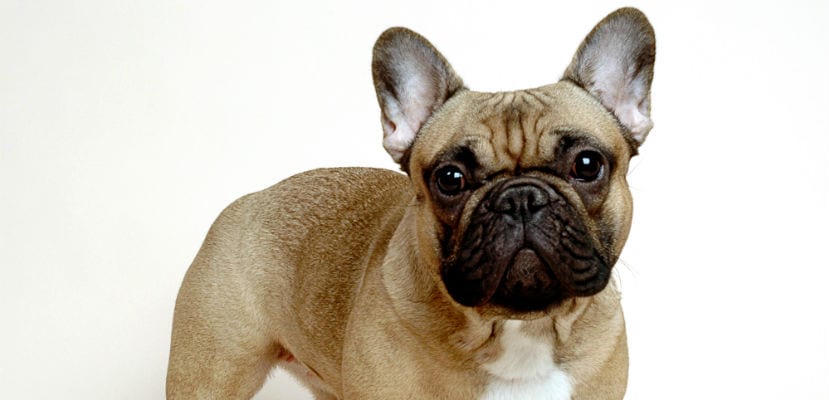
El brachycephalic syndrome is a common disorder in snub-nosed dogs that brings together various anatomical abnormalities in the upper respiratory tract. Also called upper airway obstruction syndrome or of the brachycephalic airways, causes serious respiratory problems which can affect the quality and life expectancy of the animal, as well as making them more vulnerable to heat stroke, heart and digestive complications.
Which dogs are considered brachycephalic and why are they so delicate?

As we said, the snub-nosed breeds Breeds like the Boxer, Shih Tzu, or Pug are more prone to this syndrome, given their physical characteristics. Having the narrower snout bone structureThe air has less space to reach the lungs. In addition, their trachea is usually thinner, which aggravates breathing problems, and is often accompanied by an excessively long soft palate.
The brachycephalic dogs They are defined by having a short and wide skullA flat face and short muzzle. This conformation results in shorter nasal bones and often smaller nostrils than usual. Some of the most representative brachycephalic breeds include:
- French bulldog y English bulldog
- Pug or Carlino
- Pekines
- Boston Terrier
- Boxer
- Shih Tzu
- cavalier king charles spaniel
- Pekingese, Lhasa Apso, Dogue de Bordeaux, Bullmastiff, American Bully, among others
It should be remembered that Not all brachycephalic dogs develop brachycephalic syndromeBut they all share an anatomical basis that makes them more prone to respiratory obstructions and associated complications, especially if factors such as heat, weight, or intense exercise are not controlled.
What abnormalities form brachycephalic syndrome?

Brachycephalic syndrome is a set of structural alterations which, individually or in combination, cause the upper airway obstructionThe main abnormalities that a brachycephalic dog may present are:
- Stenotic nostrilsnostrils narrow and reduced that hinder the entry of air.
- elongated soft palateThe soft palate is longer and often thicker of normal and extends towards the throat, obstructing the nasopharynx and the entry of air.
- Eversion of the laryngeal saccules: small portions of laryngeal tissue that are protrude into the airway due to respiratory effort, further obstructing the passage of air.
- Tracheal hypoplasia: trachea with a smaller diameter than usual, which makes each breath require more effort.
- Macroglossia (large tongue): a relatively large tongue more voluminous which occupies part of the throat space, making breathing difficult; this problem has no direct surgical solution.
- Chronic laryngeal disease and laryngeal collapseSustained inflammation and continuous respiratory effort can eventually lead to progressive narrowing of the larynxwhich in advanced stages can be irreversible.
In addition, many of these dogs exhibit associated digestive disorders (reflux, vomiting, or regurgitation) due to increased intrathoracic pressure during labored breathing. These digestive discomforts, in turn, chronically inflame the pharynx, larynx, and esophagus, worsening the respiratory condition.
Symptoms of brachycephalic syndrome in dogs

Among the first symptoms we can observe in a dog with this syndrome, the following stand out: a very loud breathThis can even lead to snoring and excessively rapid breathing. This problem worsens in wet places and in hot climatesas well as after physical activity. In more severe cases, fainting is common.
Clinical signs that should alert any owner of a brachycephalic dog include:
- Difficulty and/or noisy breathingwith intense panting even at rest.
- Pronounced snoring and brief periods without breathing during sleep.
- Coughing and sneezing, sometimes in the form of a reverse sneeze.
- Difficulty to swallow or noisy swallowing.
- Reflux and/or regurgitation of food, frequent digestive discomfort or vomiting.
- Excessive production of foam or slime, sometimes foamy whitish saliva associated with the movement of the elongated palate.
- Exercise intolerancewith rapid fatigue and a refusal to walk long distances.
- Cyanosis (bluish gums and mucous membranes), a sign of lack of oxygen in the blood.
- Syncope or fainting associated with exertion, coughing episodes, stress, or excitement.
- Worsening in warm climates, with a very high risk of heat stroke.
All these symptoms can worsen significantly during periods of high heat and in enclosed, humid environments. It is essential to act on these signs to prevent the disease from progressing. chronic respiratory problems or even premature deaths related to airway collapse.
Diagnosis of brachycephalic syndrome

If we notice any of these signs in our pet, we should have a veterinarian examine them as soon as possible. The diagnosis is based on a combination of medical history, physical examination, and imaging tests.
During the examination, the professional will assess the condition of the nostrilsthe appearance of soft palateThe presence of abnormal breathing noises and possible inflammation of the larynx. The specialist will likely perform an examination. chest radiographic study to rule out other diseases, such as pneumonia, and to evaluate the trachea, bronchi, lungs, and heart.
Often a evaluation under general anesthesia To properly inspect the pharynx, larynx, and palate, since the thick tongue and limited space make visualization very difficult in an awake animal. In some cases, additional tests may be performed:
- Respiratory endoscopy: allows direct visualization of the larynx, trachea, and bronchi.
- Detailed X-rays and, in certain patients, computed tomography of the skull to assess the degree of obstruction.
- digestive endoscopy when there are signs of reflux or chronic vomiting to detect lesions in the esophagus and stomach.
A thorough assessment of all affected structures is key to deciding what surgical techniques or medical measures each dog needs and to establish a realistic prognosis.
Treatment of brachycephalic syndrome in dogs
Fortunately, there is a surgical intervention This largely resolves these symptoms when the obstruction is significant. The approach typically combines conservative treatment y Surgical treatmentdepending on the severity of the condition.
Conservative treatment and daily care
In mild cases or as a complement to surgery, measures are implemented to reduce respiratory effort:
- Strict weight controlavoiding obesity, which increases the work of breathing.
- Cool and well-ventilated environmentwithout prolonged exposure to heat or high humidity.
- Controlled physical activitylimiting the duration of walks and avoiding intense exercise, especially during the middle of the day.
- Use of harness instead of collar to avoid compressing the trachea or neck structures.
- Constant access to fresh water to promote good hydration.
- Stress and arousal managementwhich can trigger episodes of intense panting and airway collapse.
The veterinarian may also recommend administering bronchodilators, cough suppressants y rapid-acting glucocorticoids to control acute episodes of inflammation or respiratory crises, always as a specific management measure and never as a definitive substitute for anatomical correction when this is necessary.
Brachycephalic syndrome surgery
In dogs with moderate or severe symptoms, the corrective surgery It is the treatment of choice to significantly improve your quality of life. The most common procedures include:
- Correction of stenotic nostrils: plastic surgery for widen the nostrils and allow for greater airflow.
- Resection of the elongated soft palateThe soft palate is shortened and, in many cases, thinned so that it no longer obstructs the nasopharynx.
- Removal of everted laryngeal saccules: portions of tissue that protrude into the airway are removed.
- In extreme cases, temporary or permanent tracheostomy to ensure an adequate airway when the larynx is severely collapsed.
Before any surgical procedure on a brachycephalic dog, the anesthetic management and postoperative care They are delicate. These patients usually require subsequent hospitalization, close monitoring, possible prolonged intubation, and, in some cases, a temporary tracheostomy until the inflammation subsides and they can breathe normally.
Prognosis and quality of life
The prognosis depends on the dog’s age, from the degree of impairment of their airways and whether irreversible changes have occurred in the larynx or trachea. In young dogs, after a successful and uncomplicated operation, the prognosis is usually very favorableThey breathe better, tolerate more exercise, and experience a significant decrease in episodes of panting and collapse. In older animals, or those with advanced laryngeal disease, the prognosis may be more guarded.
With early diagnosis, surgery when indicated, and good management practices (weight control, avoiding heat and strenuous exercise, regular checkups), many brachycephalic dogs can enjoy a longer and more comfortable lifewith fewer respiratory crises and a lower risk of serious complications.
Understanding that loud snoring, easy fatigue, and breathing difficulties are not “normal” traits of these breeds, but signs of a treatable diseaseIt allows guardians to make timely decisions and provide their flat-faced dogs with the care and treatments they truly need.