

La Hip dysplasia is one of the most common osteoarticular conditions and debilitating in canine veterinary medicine. Although it is often associated with large or giant breeds such as the German Shepherd, Labrador Retriever, Golden Retriever, or Rottweiler, it can affect dogs of any size and mixed breeds. This degenerative condition is caused by an incongruity between the head of the femur and the acetabulum of the pelvis, which generates joint instability that, over time, This leads to cartilage wear and tearchronic pain and progressive osteoarthritis.
Detecting the disease early is key to preserve the animal’s quality of life, but facing a diagnosis of this magnitude also implies a considerable economic impact on the family. Between specialized diagnostic tests, palliative medications, rehabilitation sessions, and highly complex surgical interventions, the budget can quickly rise to several thousand euros. In this context, having a dog health insurance becomes a essential practical solutionbecause it allows for supporting medical decisions based solely on the dog’s well-being and not on unforeseen financial limitations.
Early symptoms: How to identify the first warning signs

Hip dysplasia has a It has a hereditary genetic component, but its development is strongly influenced by environmental factors such as growth rate, nutrition, and type of physical exercise.The first signs can appear in puppies during their development (between 4 and 12 months) as well as in adult dogs where the arthritic process is already established. Among the most telling symptoms that owners should pay attention to are:
- Stiffness upon standing: Difficulty or slowness in getting up after periods of rest or upon waking up in the mornings.
- The characteristic “rabbit walk”: Simultaneous movement of both hind legs when trotting or running to avoid putting weight on a single joint.
- Exercise reluctance: Refusal to climb stairs, jump into the car, play, or keep up with the usual pace during walks.
- Intermittent or permanent lameness: Gait disturbances that worsen after physical exertion or on cold, wet days.
- Posterior muscle atrophy: Visible loss of muscle mass in the thighs combined with excessive compensatory development in the front of the body (chest and shoulders).
Treatment Options: From conservative management to surgery
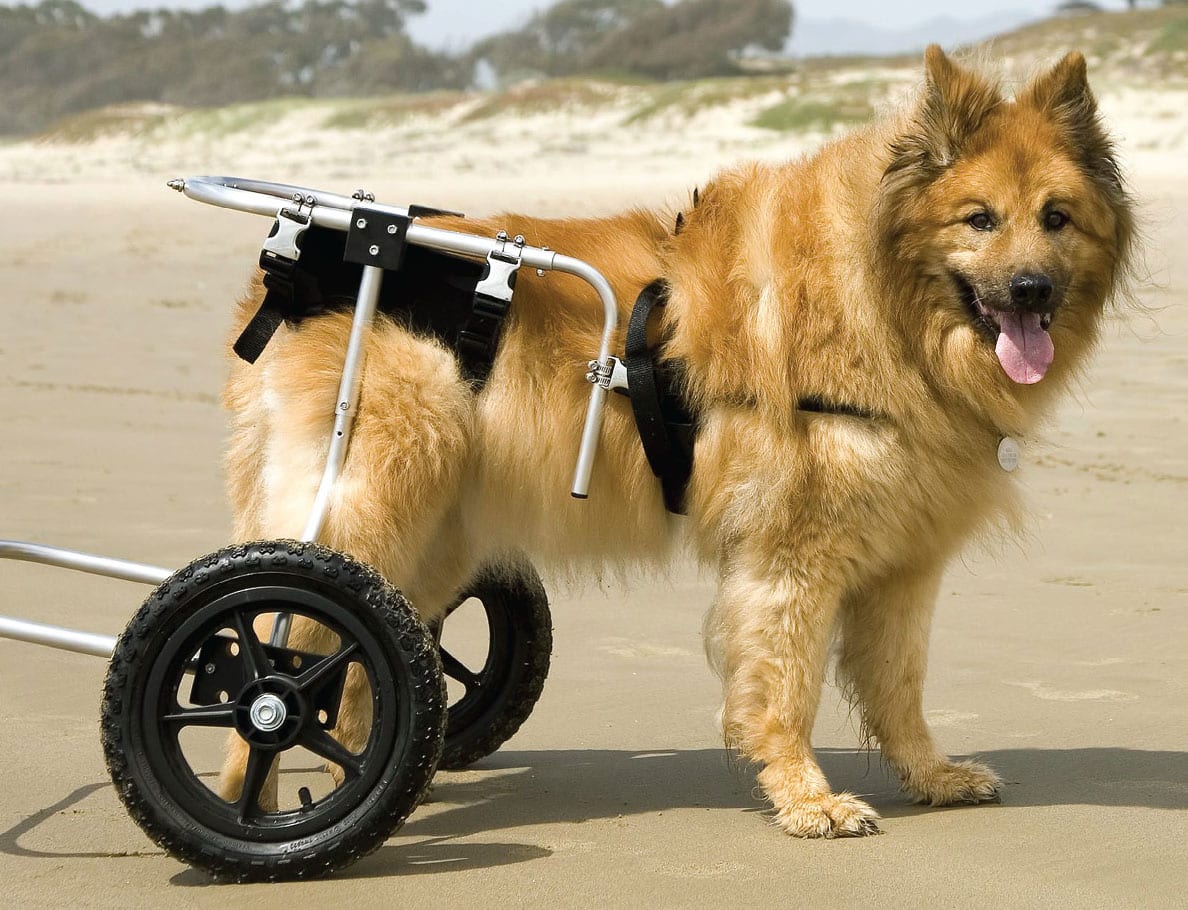
El therapeutic approach to hip dysplasia It varies depending on the dog’s age, the degree of joint laxity, the presence of osteoarthritis, and the level of pain. Veterinarians classify the options into two main categories:
1. Conservative and medical treatment
It is applied in initial stages, in mild cases, or in patients where surgery is not feasible. It includes the use of non-steroidal anti-inflammatory drugs (NSAIDs) and analgesics under strict veterinary control, chondroprotective supplements (glucosamine, chondroitin sulfate, and Omega-3 fatty acids), rigorous control of body weight, and a regimen of personalized canine physiotherapy that combines hydrotherapy and laser to strengthen the stabilizing muscles without subjecting the joint to impact.
2. Surgical interventions
In severe cases or when conservative management fails to control the pain, orthopedic surgery is used:
- Triple or double pelvic osteotomy (OPT/ODP): Indicated in young puppies without signs of osteoarthritis to reorient the acetabulum and improve coverage of the femoral head.
- Total hip replacement (THR): The definitive solution for adult dogs. It replaces the damaged joint with titanium and polyethylene implants, restoring virtually normal joint function.
- Excision of the femoral head (Excision arthroplasty): A common rescue option in smaller dogs, where the femoral head is removed so that the fibrous tissue creates a functional, pain-free “false joint”.
The true cost of treatment: a breakdown of veterinary expenses

To understand the economic dimension Regarding hip dysplasia, it is necessary to analyze the approximate breakdown of the tests and procedures required throughout the dog’s life:
- Initial diagnostic: Specialist consultation in traumatology, radiological study under sedation (including official PennHIP-type distraction plates) and pre-operative analysis: between €250 and €450.
- Surgical treatment: A total hip replacement at a specialized surgical center ranges from €2.500 to €4.000 per affected hip. A pelvic osteotomy costs around €1.500 to €2.200.
- Post-operative care and rehabilitation: Regular physiotherapy sessions, hydrotherapy and radiological control checks: between €600 and €1.200 per year.
- Chronic maintenance: Chondroprotective agents, periodic analgesic medication and veterinary joint support diet: from €50 to €110 per month on a continuous basis.
Prevention and recommendations for caring for your dog
Although genetic predisposition cannot be changed once a dog is born, it is possible to delay the onset of symptoms or lessen their severity by following some basic daily management guidelines…
- First, Maintain strict weight controlEvery gram of excess weight adds unnecessary mechanical stress to inflamed joints.
- Secondly, it provides a moderate and consistent daily exercise (walks on a leash on flat terrain) avoiding sudden jumps or abrupt turns.
- Lastly, adapt the home with non-slip mats to prevent slipping and make sure to offer it a specific nutrition for joint care rich in essential nutrients.
Caring for a dog with hip dysplasia requires commitment, patience, and resources. Early diagnosis, following the veterinary team’s instructions, and providing adequate protection will ensure your companion continues to enjoy a full, active, and pain-free life.
Índice