
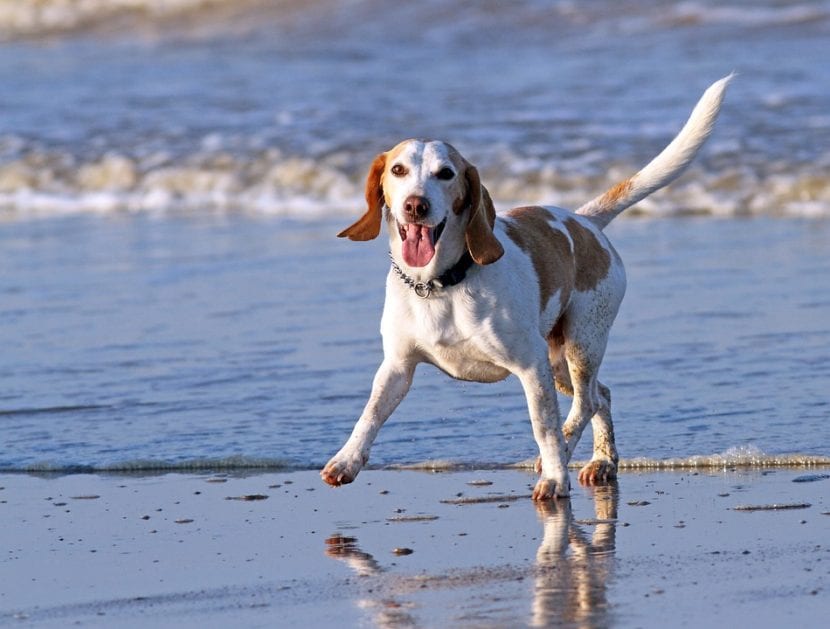
The dog is an animal that need to exercise daily to feel good both physically and mentally. If you don’t, you could end up feeling such stress and anxiety that it would destroy the furniture, the garden, in short… everything it could, and that’s not to mention that it could behave inappropriately, bark excessively or show aggressive or nervous behavior.
To avoid this, it is very important that we dedicate some time each day to take him out for a walk and play with him. But Do you know how much time a dog needs to exercise? The answer is not a single number for everyone, as breed, age, size, health status and individual energy level of each dog influence it.
Factors that influence the amount of exercise a dog needs

The exact amount of exercise a dog needs It’s not a fixed formula.Although there are general recommendations, it’s always best to observe the animal and adapt the activity to its particular needs. Among the main factors that determine how much exercise a dog needs are:
[related url=”https://www.mundoperros.es/benefits-of-physical-exercise-for-your-dog/”]
- Bending radius on the inner sideThere are very active breeds, such as the Border Collie, German Shepherds, LabradorsHunting or working dogs, which usually require between 1,5 and 3 hours daily exercise including walks, games, and mental activity. In contrast, calmer or brachycephalic breeds such as Bulldog o Pug they usually settle for 30 to 60 minutes moderate exercise.
- AgeThere are puppies and young dogs that have much more energyBut their bones are still developing, so they need sessions short and frequentAdults tolerate longer sessions, while children older dogs They require gentle walks adapted to possible joint problems.
- Size and buildSmall dogs can have very high energy levels, but their joints are delicate, while large dogs need space and controlled exercise to avoid damaging their joints. Whether the dog is thin, muscular, or has [a specific build/type of body type] also plays a role. tendency to be overweight.
- Health conditiondogs with joint diseasesThose with heart problems, respiratory issues, or obesity need more structured routines moderate and supervised by a veterinarian, prioritizing low-impact exercises.
- Temperament and energy levelAlthough breed is a good guide, every dog is an individual. A calm mixed-breed will need less exercise than a very energetic one, even if they are similar in size.
How much exercise does my dog need based on its age?

The time will vary depending on the age of the dog and the breed. It’s often thought that the smaller a dog is, the less time it will need, but the reality is different. In fact, there are some breeds, like the Mallorcan Ratter (which usually weighs no more than 5 kg), that need to go for a run daily or, at the very least, take a walk. several walks throughout the dayOtherwise, they become very nervous. Even so, we can use these general guidelines as a guide:
- If it’s a puppya walk of 15 to 20 minutesSeveral times a day is usually enough. It’s better to do short and frequent walks Avoid long walks, combining them with gentle indoor play. High jumps or high-impact exercises should be avoided to prevent injury to their developing joints.
- If you are an adultIt is recommended that you go for a walk 3 or 4 times a day, adding between 60 and 90 minutes daily. Many active breeds appreciate even reaching the 2h The activity is divided between walks, games and, if he likes it, some canine sport.
- If it’s an older dogHe still needs daily exercise, but with moderate intensityThey are ideal several gentle walks 10-20 minutes, avoiding hills, stairs, and very hard surfaces. It’s very helpful to add Mental games to stimulate the mind without overloading the body.
At any stage of life, it’s wise to watch for signs of Fatigue (excessive panting, difficulty keeping up, limping, refusal to continue) to adapt the exercise and avoid forcing it.
Amount of exercise according to size and breed

The size of the dog also influences the duration and intensity of the exercise it needs each day, although it must always be combined with the breed and temperament:
- Small dogs (1 to 12 kg)They tend to prefer more activities short, among 30 and 45 minutes per exit, and in total around 60 minutes daily. It’s best to avoid too many. stairs and jumpsToy breeds (Maltese, Yorkshire Terrier, Chihuahua, etc.) are less active than an energetic terrier, but they still need their walks and playtime.
- Medium-sized dogs (12 to 25 kg)They allow you to perform all kinds of exercises and for longer durations. 30 to 90 minutes daily, provided they have no injuries or physical problems. Many breeds in this group enjoy canicrosshiking or intense ball games.
- Large dogs (over 25 kg)They should be careful with very active activities simulator (Sudden jumps, quick turns). A walk to soft rhythm, without sudden changes in speed, up to 60 minutes This is usually sufficient, supplemented with supervised play. German Shepherds, Labradors, and hunting dogs typically appreciate it. 2 long walks daily, provided your joints are healthy.
- Very active breeds (German Shepherd, Malinois, Border Collie, Jack Russell Terrier…): may need 1 to 3 hours daily Physical and mental exercise is essential to maintaining balance at home. A simple walk around the block is almost never enough.
- Calmer or brachycephalic breeds (Bulldogs, Pugs, Shih Tzu…): they are usually content with 30 to 60 minutes daily, divided into several leisurely walks, avoiding intense heat and excessive effort due to their delicate breathing.
Benefits of daily exercise for your dog
When animals get adequate physical exercise, they are more activewith an attitude more sociable and with fewer negative behaviors (fights, biting, destroying toys or furniture…). Furthermore, regular activity improves the animals’ development. musculoskeletal, They prevent obesity and reduce pathologies associated with being overweight, such as diabetesheart problems or joint diseases.
Exercise is not only good for your dog’s physical health, but it’s also essential for their well-being. emotional wellA dog that exercises regularly is a dog happierless likely to develop behavior problems or stress and less likely to exhibit destructive behaviors at home. Furthermore, it helps reduce the separation anxiety and promotes deeper, more restorative sleep.
Dogs need daily exercise to maintain a Healthy weight and keeping their bodies moving to prevent them from becoming overweight or obese, or from feeling nervous or anxious and destroying furniture, shoes, and clothes at home. Sharing that time also greatly reinforces the link between dog and person.
Recommended types of exercise for dogs
The dog will not only need walks, but also play with other dogs and/or with other humans. Activities can be adapted to the animal’s energy level and health:
- Walks on flat terrainThey are an excellent exercise for virtually all dogs, and especially for those that have overweight or joint problems. You can start with some 15 minutes and increase gradually until the 30-60 minutes depending on the dog’s tolerance.
- Games with a ball or toysThrowing a ball, a plush toy, or fabric toys is a fun way for the dog to play. Run and stay activeIt is not recommended to overdo intense running in very overweight dogs or those with joint injuries, and it is best to avoid stones or pinecones to prevent damage to teeth and gums or causing them to swallow them.
- SwimmingIt is one of the best exercises for dogs with joint problems or overweight, since it is from Low impact It exercises many muscles at once. It should always be done in safe areas, without forcing the dog if it doesn’t like water, and supervising the entry and exit to avoid sudden exertion.
- Light running and joggingFor healthy, fit dogs, running alongside their owner (whether jogging, canicrossing, or cycling or skating) can be very stimulating. Always supervise the dog’s movements. rhythm and distancebecause dogs expend more energy than humans.
- Canine sportsAgility, flyball, disc dog, canicross, or dog trekking are great options for very active dogs and for owners who want to share a sport with their companion. They combine physical exercise with mental stimulation and obedience.
- Mental gamesUsing interactive toys, scent games, searching for treats, or learning new tricks is very mentally tiring, which helps to balance dogs that have already had their share of physical exercise.
How to organize daily walks and exercise routine
Ideally, you should take it for a walk at least three times a day to the dogs, always being one of these outings longer than the others. In this way, the dog will learn that some outings are only for doing its business. needs and others where you will be able to run around and playIt is recommended that this long walk be at approximately the same time, so that the dog does not become disoriented by the rhythms of the day.
For some dogs, a walk around the block isn’t enough; they need run freely across 30 and 60 minutesdepending on the dog’s age and needs. If it needs long walks, it’s best to progress gradually: start with 15 minutes and gradually add time week by week, observing their response.
Whenever possible, I recommend taking it to dog parksBeaches that allow these animals, or an outing with other friends who have dogs. You’re sure to have a great time! Just don’t forget to bring… waterBesides food if you’re going to be there all day, and some candy to reward their good behavior.
These furry friends enjoy being outdoors, so they should be able to have contact with the outside world Always, every day. Only in this way can they be happy… and their human family.
Signs your dog needs more (or less) exercise
You may not always be aware if your dog is getting the right amount of exercise. Some signs that your dog may need more exercise include: more activity are:
- Destructive behavior: chewing furniture, digging in the garden, destroying toys too often.
- Excessive barking or constant complaints, especially when he’s at home and apparently nothing is wrong.
- Agitation and nervousness: difficulty relaxing, pacing, hyperactivity at the slightest stimulus.
- Weight gain: fat accumulation, loss of waist circumference, and difficulty moving easily.
On the other hand, a dog may be receiving too much exercise If your dog shows lameness, reluctance to walk, excessive panting that takes a long time to stop, or if the next day they are especially stiff or lethargic. Puppies and older dogs are especially sensitive to this. Excessive exerciseTherefore, it is essential to adjust the intensity and respect rest periods.
Practical tips and precautions during exercise
so that the physical activity To make it as beneficial as possible, it’s advisable to keep some tips in mind:
- Avoid long walks during times of Much hot Whether it’s midday or early morning, it’s better to choose the early morning or late afternoon hours and check the condition of the asphalt to avoid problems. burn the pads.
- Avoid areas with too many Mosquitoes at dusk or in areas with obvious risks (glass, thorns, heavy traffic…).
- Always carry fresh waterEspecially if you’re going to do intense or prolonged exercise. It’s advisable to offer water in small amounts several times, rather than letting them drink too much all at once.
- Do not feed the dog in the 2 hours before and after to intense exercise to reduce the risk of serious digestive problems, such as gastric torsion in large breeds.
- In old dogs or with joint problemsSwimming or very gentle walks on soft surfaces are an excellent option, always monitoring the duration and drying the dog well if it is cold or windy.
- If you’re unsure what exercise is best for your dog, the best thing to do is consult the vet, which will be able to adapt the recommendations to your specific health condition.
And you, how much time do you spend exercising your dog? Adjusting the type and duration of exercise to their breed, age, size, and health will help your dog stay healthy. healthier, balanced y felizand that your daily life together will be much more harmonious.
Índice
- 1 Factors that influence the amount of exercise a dog needs
- 2 How much exercise does my dog need based on its age?
- 3 Amount of exercise according to size and breed
- 4 Benefits of daily exercise for your dog
- 5 Recommended types of exercise for dogs
- 6 How to organize daily walks and exercise routine
- 7 Signs your dog needs more (or less) exercise
- 8 Practical tips and precautions during exercise