

The Labrador is a very affectionate dog that he loves children and doing mischiefHe enjoys spending time running and playing, and he is also very sociable, as we explained in curiosities about the Labrador In fact, he gets along well with anyone who shows him affection and trust. He can be a bit stubborn at times, but despite this, he’s very easy to train.
Although teaching him some basic rules of coexistence is not all we have to do with him. These dogs have a tendency to get quite fat, especially after neutering them. Thus, it is important to know how much a Labrador dog should weigh To avoid one of the most worrying problems that furry friends can have: obesity; there are also recipes for obese dogs that can help with weight loss plans.
The Labrador is a medium-sized dog, that is, it is not small but it is not giant either. In adulthood, males should weigh between 27 and 34 kilos, while females should weigh between 25 and 32 kg. Whether you weigh less or more, your health could be in jeopardy. But how do you know if you are fat or skinny?
Well, dogs that are at their weight, if you look at them from above, you can make out the waist. Some ribs can be scored a bit, but not to the point of being seen. Ideally, the animal has enough weight so that they are not seen. On the contrary, if you are thin, the ribs will be seen with the naked eye; and if you are obese, your waist will not be visible.
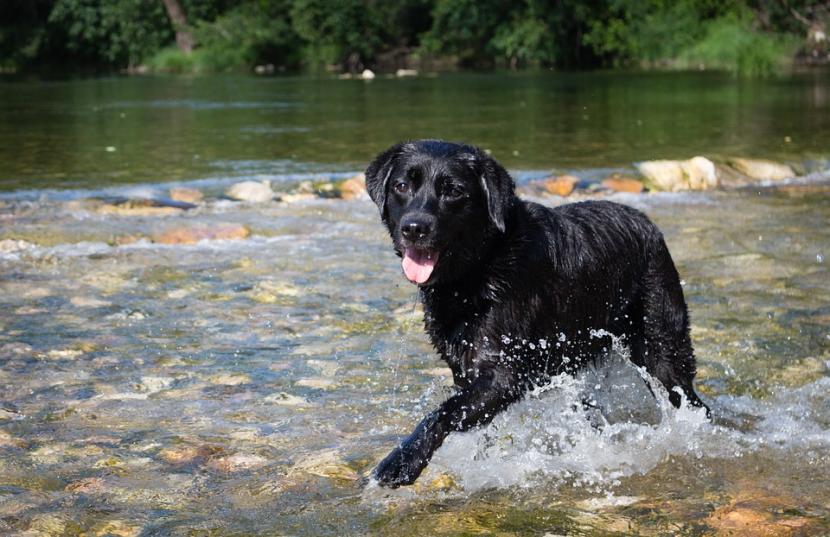
To avoid overweight in the Labrador dog, it is very important give him the amount of food he needs according to his age and weight, and spend time playing games And, why not? Also on trips to the beach or the countryside, where he’s sure to enjoy himself. Find out how much your puppy should eat at how much should my lab puppy eat to adjust rations at early ages.
How much should a Labrador weigh according to its age and sex?

In adulthood, the most accepted ranges place the males between 27 and 34 kg or females between 25 and 32 kgDepending on breeding lines and body condition, some breeders consider upper thresholds (males up to 36-40 kg and females up to 35 kg), provided that the dog maintains an athletic silhouette and a body condition score suitable. The height is usually around 56-57 cm in males y 54-56 cm in females, proportions that help assess whether a specific weight is healthy or not; you can find more details in the breed information sheet at Labrador Retriever.
Puppy growth curve
- 2 months: around 6,0 to 11,4 kg; it is a stage of accelerated growth.
- 4 months: approximate weight gain of 8,5-9 kg at 2 months; usually around 14,0-19,0 kg at 18 weeks.
- 12 months: can reach the adult weight Although full physical maturity is reached around 18 months; for specific puppy care, consult puppy characteristics and care.
The figures are indicative averagesEnvironment, genetics, and activity all cause variations without posing a problem if the dog maintains good physical condition.
How to assess body condition (BCS) at home
In addition to the scale, pay attention to visual and tactile cues. A fit Labrador shows visible waist when looking at it from above and a slightly abdominal line upward from the chest towards the groin. When palpated, the ribs should be felt without sinking your fingers in, but not looking at it from a distance.
Indicators rapid:
- Thinness: ribs, spine and hips visible; low muscle mass.
- Ideal weight: palpable ribs, defined waist, chest wider than abdomen.
- Overweight/obesity: no defined waist, fat on chest and base of tail; ribs difficult to feel.
If your Labrador is over 18 lbs. 15% the average recommended for your size or lose waist definition, it is advisable consult with your veterinarian to adjust diet and exercise.
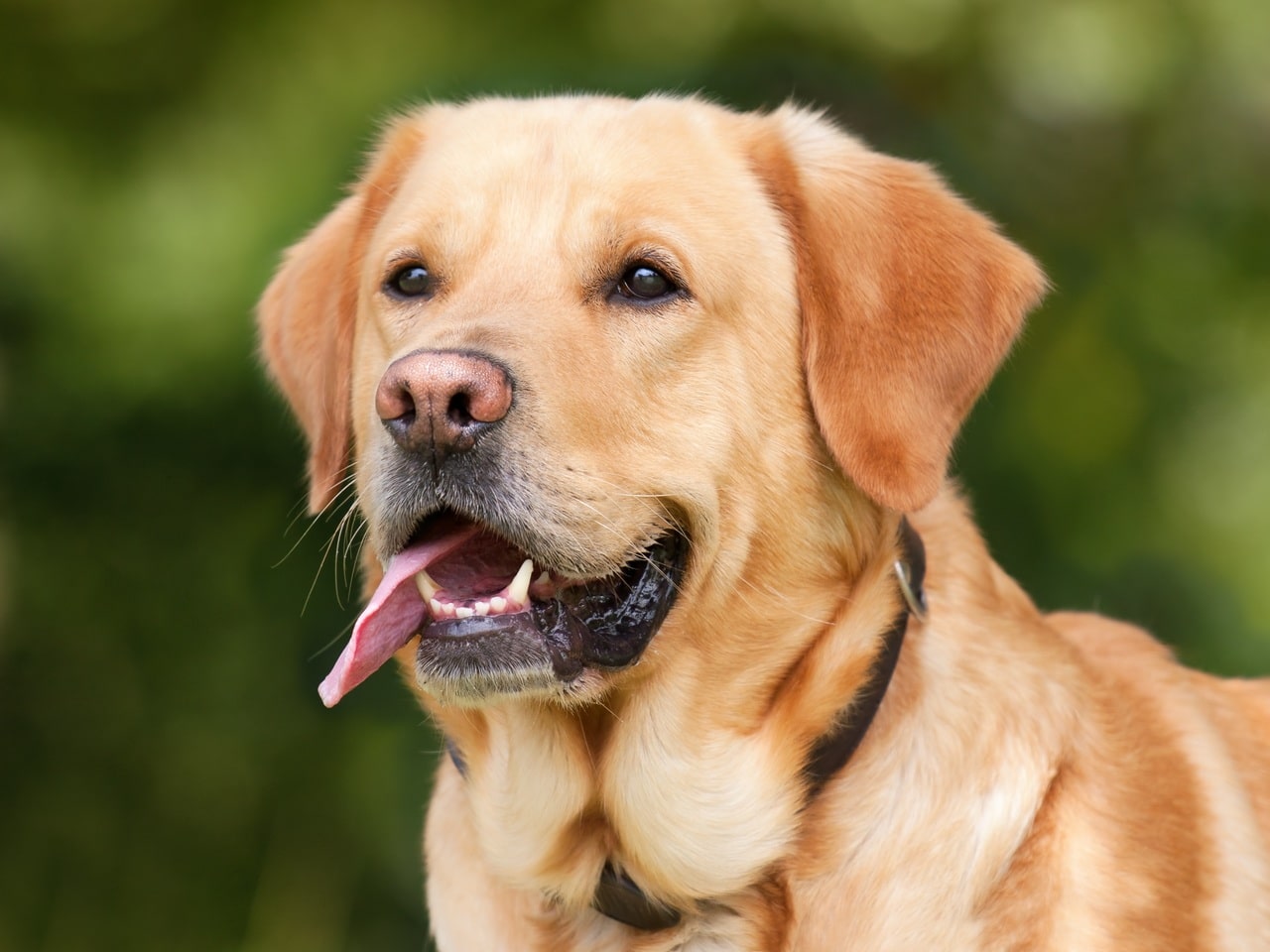
Risks of being overweight in Labradors
- Metabolic: diabetes and gastrointestinal disorders.
- Musculoskeletal: arthritis, ligament tears, hip and elbow dysplasia.
- Cardiovascular: hypertension and heart problems.
- Reproductive and hepatic: lower fertility and liver disorders.
- Cutaneous and respiratory: eczema, lower exercise tolerance.
Controlling weight improves the quality of life and longevityStaying “athletically fit” reduces the strain on joints and organs; to understand how weight affects lifespan, see how many years does a dog live.
How to maintain ideal weight: food, exercise and habits

- Measured portions: Adjust the amount based on your age, weight, and activity level; use a measuring cup or scale.
- Frequency: prioritize 2 meals a day instead of just one.
- Avoid strenuous exercise just after eating to reduce the risk of gastric dilatation-torsion.
- Controlled sweets: that do not exceed the 10% of daily calories.
- Daily exercise: active walks, controlled running, fetching games and swimming if possible.
- Enrichment: dispenser toys, smell and dog training to burn mental energy.
- Tracking: Weigh your dog every 2-4 weeks and adjust the ration by +/-10% depending on its progress.
Remember that after castration they may need a small caloric adjustment and more activity to avoid weight gain.
Physical standard and breed traits
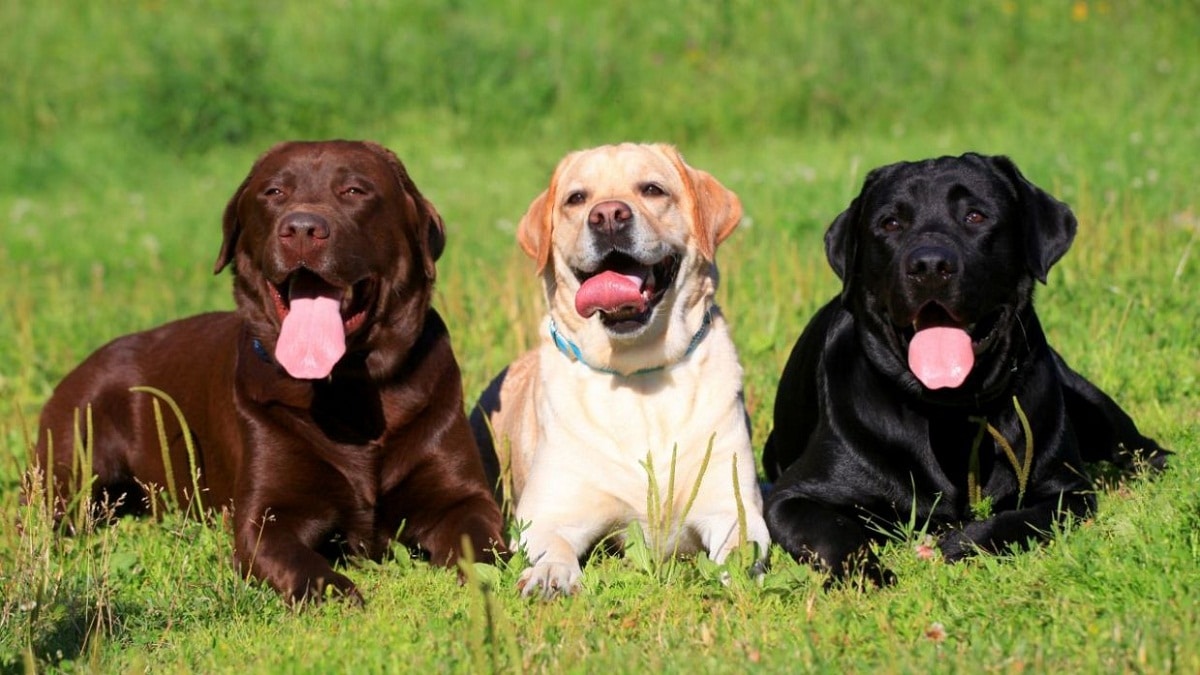
The Labrador is a retriever strong build, deep chest, short back and firm limbs. Broad head, powerful muzzle and otter tail help their performance in the water. The coat is short, dense and waterproof, in black, yellow or chocolate (all its shades); its fame as great companion It is also given by these physical characteristics.
His character is friendly and docile, with a high predisposition to learning and work: assistance, guidance, rescue and hunting. Due to its energy, it needs exercise routine and positive education.
Health, testing and prevention
- Joints: Assess hips and elbows before breeding; weight control reduces dysplasia and arthritis.
- Eyes: Regular eye check-ups for risk of progressive retinal atrophy and other disorders.
- Body condition: monitor the breed’s voracious appetite to avoid becoming overweight.
- Exercise: progressive and varied, avoiding overexertion after meals.
A well-fed Labrador, with appropriate activity and veterinary check-ups, maintains his weight within range and enjoys an active, social and balanced life.
Know the ranges by age and sex, learn to evaluate the body condition and establishing sustainable eating and exercise habits is the most effective way to keep your Labrador at its ideal weight and minimize associated health risks.
[related url=”https://www.mundoperros.es/dog-breeds-at-risk-of-being-overweight-what-science-says-and-how-to-act/”]
Índice