

Has a new furry member come to your home? If so, congratulations! The arrival of a dog is always a joy if it was planned, so from now on it will surely make you laugh, and also cry (hopefully always tears of joy, but remember that sometimes it can also get sick and will need specific care).
But of course, dogs don’t come with an instruction manual, and when they come into our lives as puppies it’s very common to have many doubts about what food to offer him, what quantity y how oftenSo if you’d like to know how to feed a puppy dogYou’ve come to the right place. Here you’ll find a comprehensive guide based on the different stages of growth, specific nutritional needs, and the most common mistakes to avoid.
Since your baby won’t eat the same things at 2 weeks old as they will at 6 months, we’ll go step by step to make it easier for you to know how and how often you should feed them. each stage of growth always taking into account its size, its activity level and health condition.
From 0 to 1 month

During this stage, she is very, very fragile. If she doesn’t have her mother, you will have to make sure she receives care. constant heat throughout the day (with blankets and wrapped thermal bottles to prevent burns) and in a place sheltered from drafts. You will also have to feed it. every 3 hours with special puppy milk using a needleless syringe or a bottle which you’ll find in pet stores or veterinary clinics. This milk needs to be lukewarm, at about 37 ° C, similar to maternal body temperature.
You shouldn’t give it to him. Cow milkgoat’s milk or other milks intended for humans, as they could cause stomach discomfort, as well as diarrhea, dehydration and an inadequate supply of nutrients. Puppy milk replacer are formulated with the proper balance of proteins, fats, vitamins and minerals for this very delicate phase.
If the puppy is with its mother, it is recommended that it take exclusively breast milkbecause it provides energy, nutrients, and antibodies that strengthen their immune system. Supplementation with formula should only be done if the litter is very large, the mother is not producing enough milk, or if the veterinarian advises it.
From 1 month to 3 months
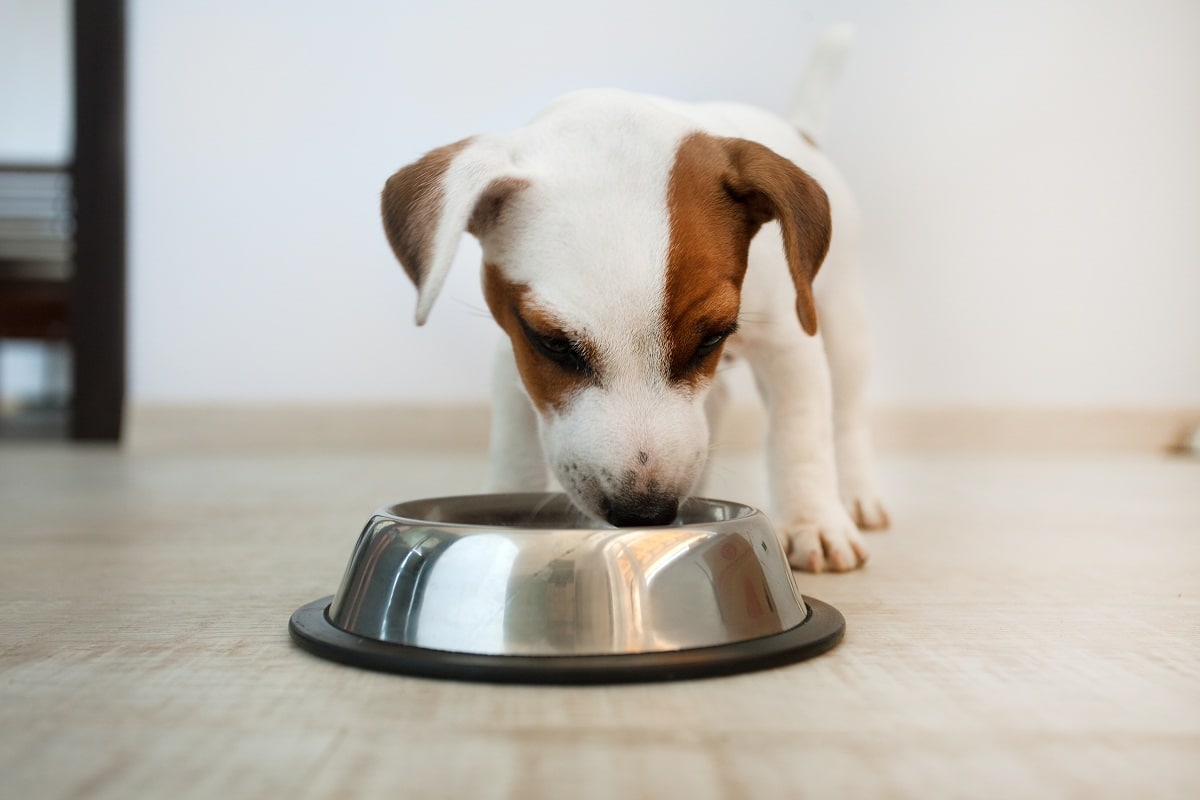
From this age can start eating solid, high-quality food. This process is called weaning and it must be done in a progressive so that the puppy’s digestive system can adapt smoothly.
Ideally, your puppy should eat wet puppy food or dry puppy food mixed with warm water or a little puppy milk replacer to form a porridge that is easy to chew and swallow. At this stage, their diet should contain high quality protein of animal origin (such as chicken or fish), healthy fats that provide energy, and an adequate level of vitamins and minerals (especially calcium and phosphorus for your bones).
At 2-3 months, their teeth will have grown enough to chew the food without problems, so you can gradually reduce the amount of water until the food is almost dry. It is essential that the food is formulated for puppiesbecause their energy and nutrient needs are much greater than those of an adult dog.
In this phase, it is also important to respect the food they were eating in their previous home or kennel and make the change to a new feed in a way that allows them to switch to a new food. gradualMix a small amount of the new food with the old food for several days, increasing the proportion of the new food you give each day. This helps prevent diarrhea and digestive problems.
3 months a year

During these months, your puppy can eat dry puppy food regularly. But, I insist, it must be of high quality. good qualityThe dog is a carnivorous animal, therefore The staple food should be meat or fishAnd no by-products or large quantities of grains. Only in this way will it be able to grow and develop without problems with its bones, joints, or immune system.
Puppies need more protein than adults to build muscles, tissues, and new cells; they also require a greater amount of good fats as a primary source of energy and for brain and vision development, thanks to fatty acids such as omega 3In addition, the vitamins and minerals present in the feed (such as vitamins A, D and E, and minerals such as calcium, phosphorus, zinc or iron) are essential for balanced growth.
It is very important that you choose a food adapted to your needs. breed sizeSmall breed dogs have a faster metabolism and usually need food with higher energy density and smaller kibble size, while large and giant breeds should eat diets with moderate energy and controlled levels of calcium and fat to prevent excessively rapid growth that could damage their skeleton.
For large breeds, dog food specifically formulated for large breeds usually includes a adjusted amount of caloriesan adequate proportion of quality protein and a moderate fat content, so that growth occurs more slowly and is safer for its joints. Keep the puppy in a optimal body condition And monitoring your weight regularly is key to reducing the risk of hip dysplasia and other future joint problems.
How often should you eat?

Depending on the age of your puppy, you will need to feed it more or less often, since your stomach is small and cannot ingest large quantities at once:
- From 2 to 3 months: 4 times a day, dividing your daily ration into small portions to maintain energy and avoid drops in glucose.
- From 4 to 6 months: 3 times a day, maintaining regular schedules to promote good digestion and predictable elimination habits.
- From 6 months: Twice a day, in the morning and in the afternoon or evening, a habit that is usually maintained in adulthood as well.
In addition to frequency, it is essential that it has Clean, fresh water always availableEspecially if your dog eats dry food, as it contains very little moisture. Checking their water bowl daily and changing the water helps prevent dehydration and promotes good kidney function.
To determine the Exact amount To determine what your puppy should eat, use the daily feeding charts on the food packaging as a guide and adjust them according to their body condition, activity level, and your veterinarian’s recommendations. A healthy puppy should grow steadily, have a good appetite, a shiny coat, and an adequate energy level without becoming obese.
It is also advisable to avoid the habit of giving it to him human food scrapsHowever tempting it may be, many foods in our diet can be harmful to them (such as chocolate, onions, garlic, alcohol, or cooked bones) and also disrupt the balance of a complete and prepared diet for puppies.
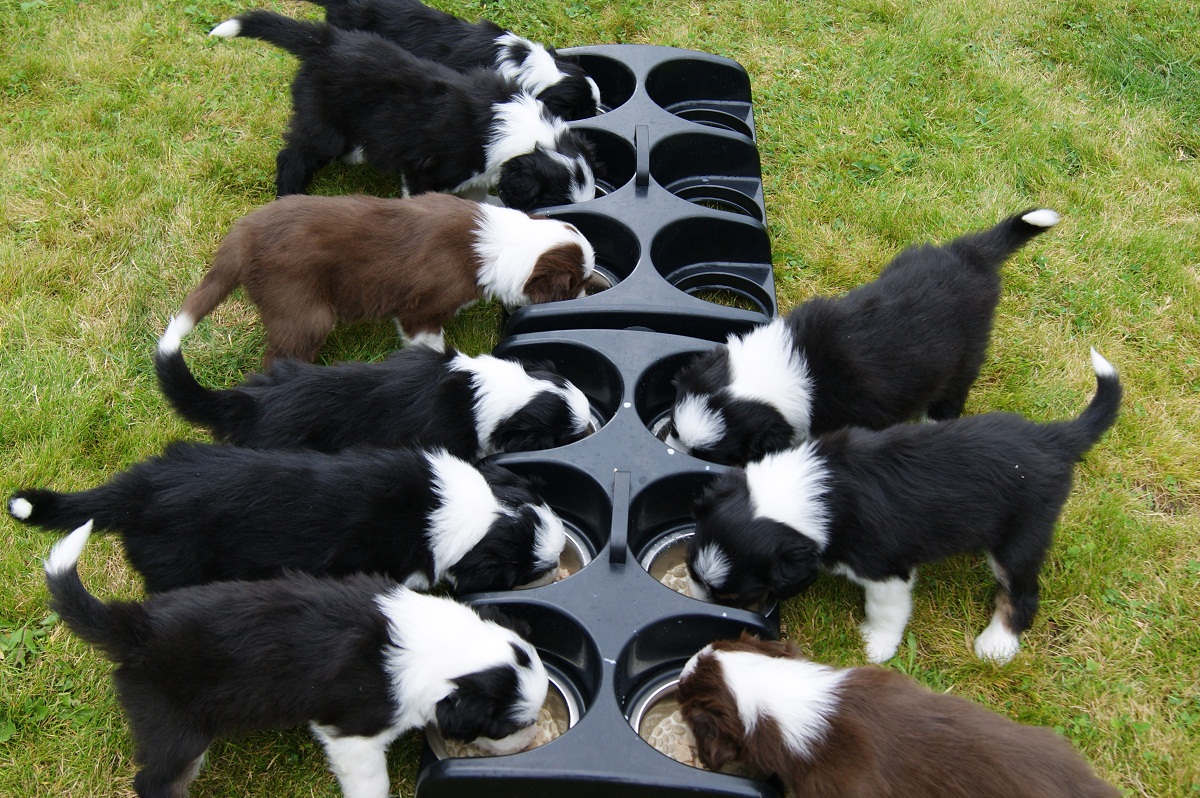
Enjoy your new furry friend. Take the time to choose one. adequate foodRespecting feeding schedules, observing their feces, weight, and energy levels, and consulting your veterinarian with any questions is one of the best investments you can make to ensure they have a long, healthy, and happy life by your side.
[related url=”https://www.mundoperros.es/when-dog-leaves-puppy/”]