
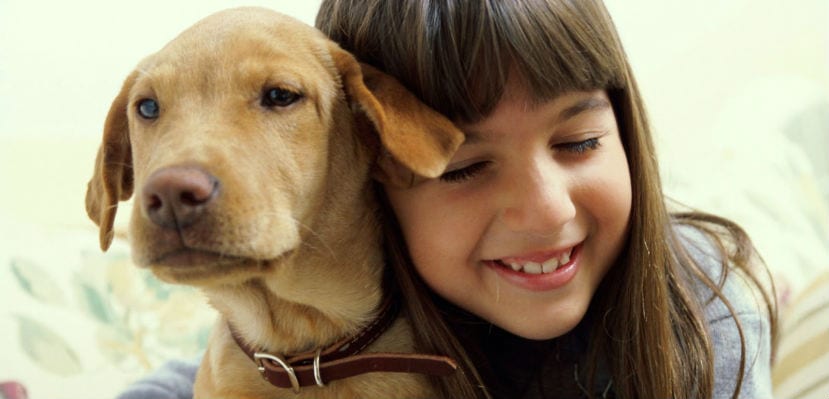
The relationship between humans and dogs is full of affection, but also misunderstandings. Many of the gestures or habits we consider normal can be annoying, uncomfortable, or even stressful for our canine companions. Understanding What human habits do dogs hate? It is key to building a relationship based on respect and animal welfare.
Human habits that dogs hate and how to identify them

- Excessive hugging and unwanted physical contact. Although hugging is a human expression of affection, for most dogs it feels like an invasion of their personal space. They may perceive it as an act of dominance that generates tension, discomfort and stressSigns of discomfort are usually obvious: a stiff body, ears back, or looking away. It’s especially important to teach children not to hug strange dogs, as not all dogs are equally tolerant.
- Patting on the head and touching sensitive areas. Many humans tend to pet a dog’s head, face, or cheeks, but these areas are delicate and uncomfortable for them. When their head is touched or their whiskers are pulled, dogs may feel invaded, blocked and stressedIt is preferable to gently stroke them on the back or chest, where they usually feel most comfortable.
- Leaving them alone for long periods of time. Dogs are social animals that need company and routine. Spending too much time alone can cause them to Separation anxiety, sadness, and destructive behaviors. In addition, routine and clear rules provide security. A lack of structure in mealtimes, walks, or playtimes creates confusion and insecurity in the dog.
- Loud noises, screams and bad energies. A dog’s hearing is much more sensitive than a human’s, so loud noises, shouting or arguing They find things inside the home overwhelming. Appliances, firecrackers, loud televisions, and hairdryers are all sources of stress. Furthermore, dogs are empathetic and absorb the stress. mood of its ownersIf they perceive anger, nervousness, or sadness, they also suffer from it.
- The deceptions and confusing games. Pretending to throw a ball or removing food at the last minute may seem funny to people, but it causes anxiety for the dog. anxiety, frustration and even mistrust toward its owner. Playing with their expectations fuels a feeling of insecurity and can lead to behavioral problems.
- Short walks and a tight leash. One of a dog’s greatest pleasures is exploring its environment through its sense of smell. Short, brisk walks or walks with a constantly taut leash transmit stress and frustrationThe leash should be a tool of control, not a constant means of restraint. Allowing the dog to explore and walk at its own pace is essential for its emotional balance.
- Excessive hygiene or frequent bathing. Although cleaning is necessary, excessive bathing removes the natural layer of oils of canine skin, causing dryness and irritation. Handling your dog in small spaces or vigorous rubbing can be annoying and stressful. Use dog-specific products and accustom your dog to positive reinforcement.
- Dressing them in uncomfortable clothing or costumes. Not all dogs tolerate wearing clothes, and many feel limited, confused or even ashamed with costumes. If you notice your dog trying to take off his clothes, freezing, or seeming uncomfortable, it’s best to stop this habit.
- Blow in their faces and manipulate pads or paws. These gestures, although they may seem harmless to us, are quite annoying for dogs. Their pads and paws are full of nerve endings, and touching, squeezing, or attempting to cut their nails can cause fear and rejection. Getting them used to it from a young age with treats and gentleness helps minimize stress.
- Cleaning your home with strong-smelling products. The dog’s sense of smell is extremely sensitive and air fresheners, cleaning products or intense perfumes They may find them overwhelming or even harm their respiratory health. Ventilating the space and using pet-friendly products is essential for their well-being.
[related url=”https://www.mundoperros.es/educating-at-an-emotional-level-stress-iv/”]

What signs indicate that a dog is uncomfortable?
- Rigid posture, ears back and avoiding direct gaze.
- Moving away from physical contact or certain gestures.
- Excessive barking, growling, whining, or panting at new noises or situations.
- The appearance of destructive behaviors or anxiety when spending a lot of time alone.
Recognizing and avoiding these habits fosters trust, bonding, and canine happiness. Every dog is unique, and it’s essential to respect their individuality, preferences, and communication cues. Maintaining a harmonious coexistence depends on correctly interpreting their needs, providing them with routine, exercise, and affection in the right amount, and avoiding human habits that, although innocent, can cause real discomfort for them.