
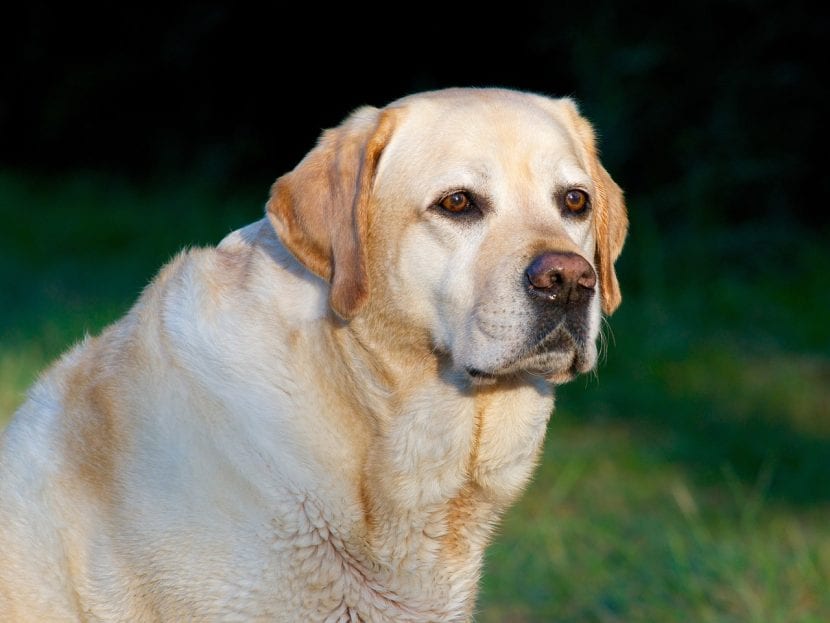
Hip dysplasia It is a problem related to the dog’s hip bones, which mainly (though not exclusively) affects large breeds over 20 kg and large and giant breeds (over 20 kg). hereditary diseaseThat is, it is passed from parents to offspring, but its development is also greatly influenced by the dog’s weight, diet, type of exercise and growth rate.
What are the symptoms? If your dog has started walking strangely, swaying, limping, or avoiding movement, keep reading this article. We’ll tell you what to do. how to know if my dog has hip dysplasiawhich breeds are more at risk, how it is diagnosed, and what treatments and care can help you live a long and happy life.
What is hip dysplasia?

When we walk, the leg and hip bones fit together and align, like pieces of a puzzle. The same thing happens in dogs: femoral head It must fit precisely inside the acetabulum (or acetabular cavity) of the pelvis. This junction is called hip joint.
However, when there is dysplasia The problem is that the head of the femur doesn’t fit properly into the acetabulum; there is a joint laxity or instability and the distribution of responsibilities is incorrect. Over time, this imbalance leads to cartilage wearinflammation, pain, and finally Osteoarthritis.
This disease is considered a developmental malformationThe puppy’s skeleton grows very quickly, and in some dogs, the hips don’t form correctly. The basis is genetic, but the overweight, inadequate nutrition, or high-impact exercise During growth, the condition can worsen considerably.
Thus, the dog will soon have trouble walking properly, and its spirits will decline over time if no action is taken promptly. However, with a early diagnostic With a good treatment plan, many dogs with hip dysplasia can lead active and happy lives.
Most affected breeds and risk factors

Although any dog can suffer from dysplasia, it is most frequently seen in large and giant breedswhose growth is very rapid and whose weight puts a lot of pressure on the hip joints. Among the breeds with a greater predisposition are the German shepherd, Labrador Retriever, Golden Retriever, Rottweiler, St. Bernard, Mastiff, Great dane, Terranova or Dogue de Bordeaux, Among many others.
Numerous cases have also been described in medium and small breeds compact body, like the French bulldog, English Bulldog or Carlinowhere the combination of genetics, body shape and excess weight further aggravates the hip problem.
Among the most important risk factors are:
- Genetic predispositionIf the parents suffer from dysplasia, the puppy will have a greater chance of suffering from it.
- Rapid growth and excess weight: a very rapid weight gain during the first few months overloads hips that are still immature.
- Unbalanced diet: an inadequate supply of calcium, phosphorus, protein and joint nutrients It impairs bone and muscle development.
- High-impact exerciseJumping, sudden stops, running after the ball without control, or repetitive activities put stress on the joint.
- Extreme body shape: very angled bone structures or very sloping backs, as in some lineages of German Shepherds, greatly increase the load on the hip.
Controlling these factors does not completely prevent the disease, but it does help to reduce the severity of dysplasia already delaying the onset of osteoarthritis and pain.
What are the symptoms?

The signs of hip dysplasia can vary depending on age and severity, and at first they may be very subtleThe most common symptoms are the following:
- Trouble walking correctly on all four legs, with an uneven gait, limping, or “bunny hopping” movements with both hind legs together.
- Spend a lot of time resting and it seems he has trouble getting up after lying down.
- Loss of interest for things he used to love, like playing, running, climbing stairs, or taking long walks.
- When standing, the keeps her hind legs very close together or slightly bent, carrying more weight on the front legs.
- He gets up, lies down, and walks slowly., sometimes with swaying of the rump or clicking of the hips.
- Rejection of contact in the hip or back area, and may show mood changes or irritability due to the pain.
- Muscle atrophy in the hind legs and excessively developed musculature in the front legs to compensate for the weight.
Any of these symptoms can appear early, between the first 3 and 7 months of a puppy’s life, especially in predisposed breeds. However, there are cases where dysplasia manifests later, with adult or senior dogs 7 years old, when joint wear and osteoarthritis are already advanced.
In senior dogs, many caregivers interpret stiffness when getting up or difficulty getting into the car as a simple sign of age, when in reality they may be symptoms of chronic pain due to hip dysplasia and osteoarthritis.
Diagnosis: How can I tell if my dog has hip dysplasia?
The only reliable way to know if a dog has hip dysplasia is through a veterinary diagnosisTo do this, the professional will:
- Medical history and physical examination, assessing limping, pain on hip manipulation, muscle strength and range of motion.
- Hip X-rays, which allow you to see the fit of the femoral head in the acetabulum, joint congruity and signs of osteoarthritis.
- In puppies and young dogs, specific orthopedic tests (such as the Ortolani or Barlow maneuvers) to detect joint laxity even before changes are seen on the X-ray.
- In complex cases, they can be used advanced imaging techniques such as computed tomography (CT) or magnetic resonance imaging (MRI) to assess bone and soft tissue structures in greater detail.
Once the diagnosis is obtained, dysplasia is classified into different categories. degrees of severity (from mild to very severe), which helps to decide whether conservative management, intensive physiotherapy or surgical intervention is best.
Treatment for hip dysplasia

If you suspect your dog has hip dysplasia, it’s important to take him to the vet as soon as possible so he can receive the most appropriate treatment. The main goal will be control the pain, maintain mobility y delay joint degeneration.
Treatment may consist of several measures combined:
- Strict weight control to reduce the load on the hips.
- Anti-inflammatories and analgesics prescribed by the veterinarian to reduce pain and inflammation.
- Joint supplements (chondroprotective agents) with glucosamine, chondroitin, collagen or other components that support cartilage health.
- Physiotherapy and rehabilitationGuided exercises, massages, laser, magnetotherapy or hydrotherapy (controlled swimming) to strengthen the muscles and improve hip function.
- Adaptation of daily exerciseAvoiding jumping, stairs, and high-impact activities, but maintaining gentle and regular walks.
- Orthopedic braces, special harnesses or supports to give extra stability to the joint.
In severe cases, the veterinarian may recommend orthopedic surgery (such as corrective osteotomies, hip replacements, or femoral head resection) to significantly improve the dog’s quality of life, especially when pain is intense and conservative treatments are insufficient.

In some patients, or in advanced stages, he may even recommend using a wheelchair for dogs This will allow her to walk without putting extra strain on her affected hip. These aids, along with a comfortable orthopedic bed, ramps to avoid stairs, and a quiet environment, make a significant difference to her daily well-being.
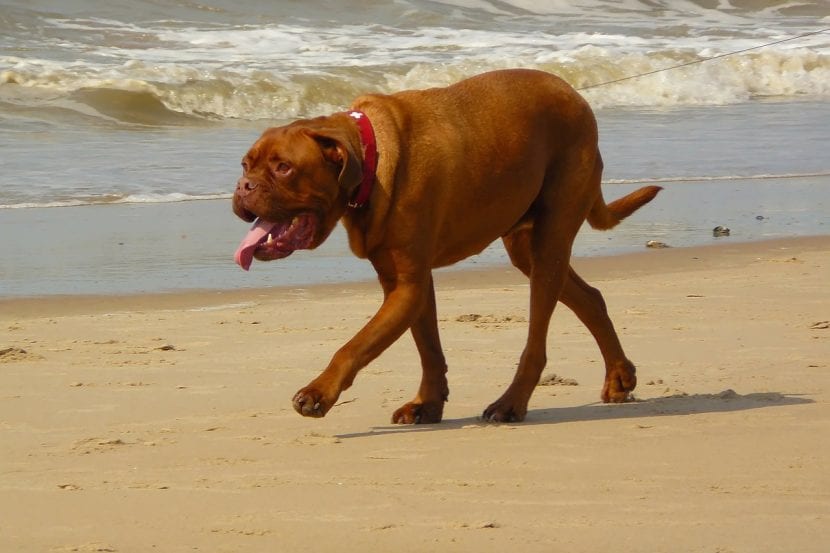
With the right support, regular veterinary check-ups, and a few adjustments to your routine, your four-legged companion can live a long and happy life, enjoying peaceful walks, adapted playtime, and plenty of affectionate moments by your side.
Índice