
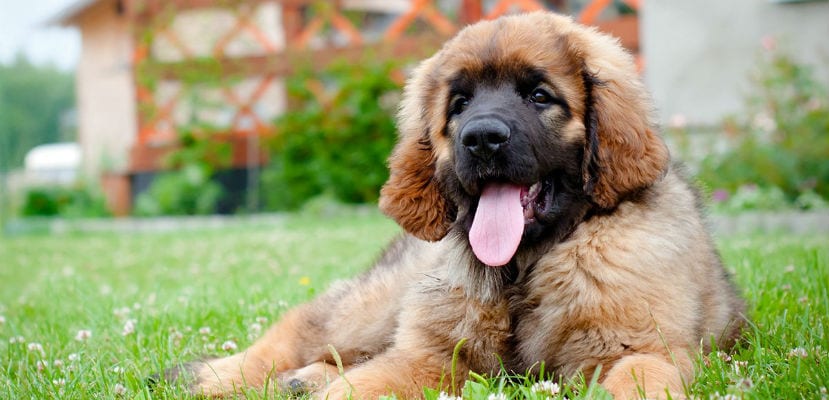
El leonberger is one of larger dog breeds, weighing between 45 and 78 kg. Muscular and strong, it has a dense coat of fur that protects it against low temperatures. Although its appearance is imposing at first glance, it is a calm and peaceful dog, generally sociable and highly intelligent. We tell you everything you need to know about it.
Breed history
Its origin is somewhat uncertain. Its birth dates back to the late eighteenth century, and it is believed that it was used both as a protective dog and as a companion animal. One of the most accepted theories is the one that says that it comes from the German city Leonberg, being a direct descendant of the Tibetan Bulldog and later crossed with the Saint Bernard and the Newfoundland. According to another hypothesis, his hometown is Löwenberg, in Switzerland.
Actually, the breed was officially established in 1846 in Leonberg. The breeder heinrich essig fue el artífice de todo esto. Se cree que comenzó cruzando una hembra de terranova de color blanco y negro con un San Bernardo llamado Barry. Aunque algunos afirman que también utilizó la raza perro de montaña de los Pirineos o Gran Pirineo.
El objetivo de Essig era obtener un perro de aspecto similar to lion, something that is evident in the extensive mane of this breed. The Leonberger would end up becoming a prestigious dog, being the mascot of high society personalities. The breed almost disappeared as a result of the two world wars, but it survived thanks to the efforts of some breeders.
Character
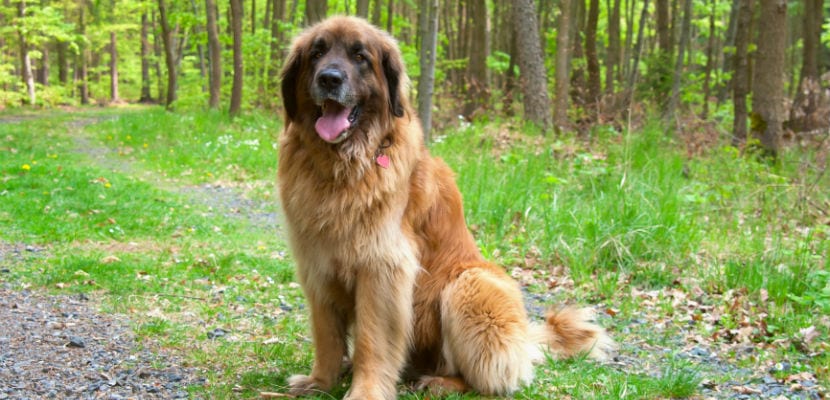
The Leonberger is calm, faithful, docile and protective con los suyos. Su gran inteligencia facilita su proceso de adiestramiento, pues aprende rápidamente las órdenes básicas. De carácter familiar, es paciente con los niños, aunque desconfiado con los extraños. Raramente presenta problemas de agresividad.
Es very curious. Le encanta el ejercicio al aire libre y disfruta olfateando cada rincón. Le gusta jugar y suele presentar una actitud correcta ante otros animales, aunque puede ser algo tímido. Por ello es importante que le animemos a socializar con los demás.
Destaca su amor al agua. Es un expert swimmer, partly thanks to the interdigital membranes that it has between the fingers. This, together with its enormous strength, makes it often used as a rescue dog. In addition, its strong self-confidence helps it to remain calm in all situations, making it perfect as a rescue animal.
Care
Although generally quiet, the leonberger needs exercise frequently para mantener su potente musculatura en buen estado. Lo ideal son tres paseos diarios de aproximadamente media hora; si podemos dejar que corra dentro de un recinto cerrado y limpio, mejor.
Además, su denso y largo pelaje requiere regular brushings, especialmente durante la época de muda. Sin olvidar la supervisión diaria de sus oídos, que tienden a padecer infecciones.
Por otro lado, necesita una balanced diet, rich in vitamins and nutrients. You should eat a special feed for large breeds in doses appropriate to their size, but you must be especially careful when measuring them, as this breed tends to suffer from obesity.
Health
Regarding its health, like other large breeds it shows a greater predisposition to suffer stomach torsion and hip dysplasia. Dadas sus características físicas, también puede presentar infecciones de oído y cataratas.
Asimismo, el leonberger es propenso al Hypothyroidism, although this depends largely on the quality of life that we offer the dog. They are also at higher risk than other breeds for progressive retinal atrophy, entropion, and cataracts. Frequent veterinary check-ups are essential to prevent all of these problems.