
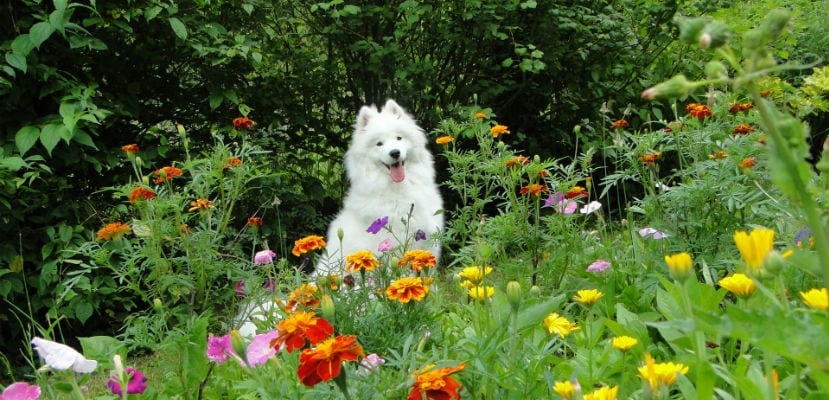
With the arrival of spring and the increase in pollen in the environment, not only people can be affected by allergies, Our dogs also suffer allergic reactions to pollenThis hypersensitivity, which has become increasingly common in the canine population, can significantly affect their well-being. Fortunately, today there are effective treatments and numerous preventative care options so your pet can enjoy a better quality of life even during the worst times of the year.
Why do dogs get pollen allergies?

La Pollen allergyHay fever, also known as canine hay fever, occurs when the immune system overreacts to contact with or inhalation of plant, tree, or grass pollens. These allergens are airborne, especially in warm, dry seasons, and can penetrate the animal’s skin or airways. The immune response includes the release of histamine and other inflammatory mediators, which cause the bothersome skin symptoms and, to a lesser extent, respiratory symptoms.
Pollen allergy symptoms in dogs

- Intense itching (itching) and constant scratching, especially in the armpits, groin, face, ears and paws.
- Redness, swelling, or erythema in sensitive areas such as the abdomen, armpits or ears.
- Excessive licking or nibbling of the paws, which can cause wounds, thickening or color changes in the skin.
- Hair loss or asymmetric alopecia by repeated scratching and licking.
- Recurrent otitis media, head shaking, and ear inflammation.
- Sneezing, nasal congestion, sneezing and, in some cases, coughing or watery eyes (less common than skin symptoms).
- Increased lethargy, tiredness, or mood swings due to chronic discomfort.
- There may also be secondary outcomes such as infections bacterial, moist dermatitis (“hot spots”) or ear infections due to self-trauma.
Veterinary diagnosis of pollen allergy

If your dog shows any of these symptoms, it is essential go to the vet without self-medicatingThe specialist will perform a clinical examination, rule out other causes (parasites, bacteria, fungi, or food allergies), and may request tests such as:
- elimination diet: to rule out food allergies before looking for environmental triggers.
- Intradermal skin tests o blood test to identify which pollens, mites or other allergens the animal reacts to.
An accurate diagnosis is key to choosing the right treatment and substantially improving your dog’s life. To learn more about how to treat pollen allergies in dogs, visit our dedicated section. How to combat allergies in dogs.
Treatment and care for dogs with pollen allergies

Treatment should be individualized based on the severity and frequency of the outbreaks. Your veterinarian may recommend:
- Antihistamines and corticosteroids to quickly reduce itching and inflammation, always under veterinary supervision.
- Specific immunotherapy (vaccines) to regulate the immune response and reduce long-term drug dependence.
- Supplementation with essential fatty acids omega 3 and omega 6 in the diet, which help strengthen the skin barrier and reduce inflammation.
- frequent baths with hypoallergenic or soothing shampoos (find out the most appropriate frequency with your veterinarian).
- Topical care: soothing sprays, aloe vera gels, colloidal oatmeal preparations, and cleansing wipes for paws and contact areas.
- In chronic cases, other drugs such as cyclosporine, oclacitinib or even biological therapy (such as Lokivetmab) if needed.
Tips to reduce symptoms and prevent outbreaks

- Clean your dog’s paws, folds, and muzzle after each walk. using special wet wipes or a slightly damp cloth.
- Avoid walks through areas with dense vegetation or grass during peak pollination times, especially on dry and windy days.
- Consult pollen forecast apps or websites to schedule rides during low count times (early morning or late evening).
- Keep the house clean: Vacuum and clean the floor and dog bed frequently, wash your blanket weekly and wear shoes exclusively for indoors to avoid tracking pollen.
- Keep windows closed during critical hours and use HEPA air filters if possible.
- Bathe your dog weekly during peak pollen season, using mild shampoos and recommended soothing products.
- Make sure your dog’s hair is perfectly untangled, and if he has long fur, consider keeping it shorter during the problematic season.
- Provide a diet rich in anti-inflammatory nutrients and discuss the incorporation of supplements with your veterinarian.
Natural remedies and environmental management

- You can use Natural preparations such as aloe vera, coconut oil or thyme infusion to soothe the skin, always after consulting a veterinarian to avoid adverse reactions.
- Fish oil and turmeric are natural anti-inflammatories useful for supporting skin health.
- Avoid home remedies without professional supervision, as some may be dangerous or ineffective.
La pollen allergy in dogs It’s a common but manageable challenge. With a combination of accurate diagnosis, environmental management, and personalized treatment, your dog can enjoy all seasons with minimal discomfort. Consistent care, collaboration with your veterinarian, and controlled environmental factors will ensure your pet survives critical periods of the year with an excellent quality of life.
[related url=”https://www.mundoperros.es/allergies-in-dogs-symptoms-causes-and-solutions-to-improve-their-quality-of-life/”]
Índice