

Good news for dog owners and animal owners in general is the reform of Law 50/99 (which will begin in May), in which the official list of potentially dangerous dogs will no longer prevail to only take into account the behavior of the animal.
Without a doubt an important change that will affect the owners of potentially dangerous dogs and will finally put aside prejudices. In this article we will see precisely what the happy list is about, and we will also talk about other very interesting modifications that will be included in the modification of the law.
What are potentially dangerous dogs?
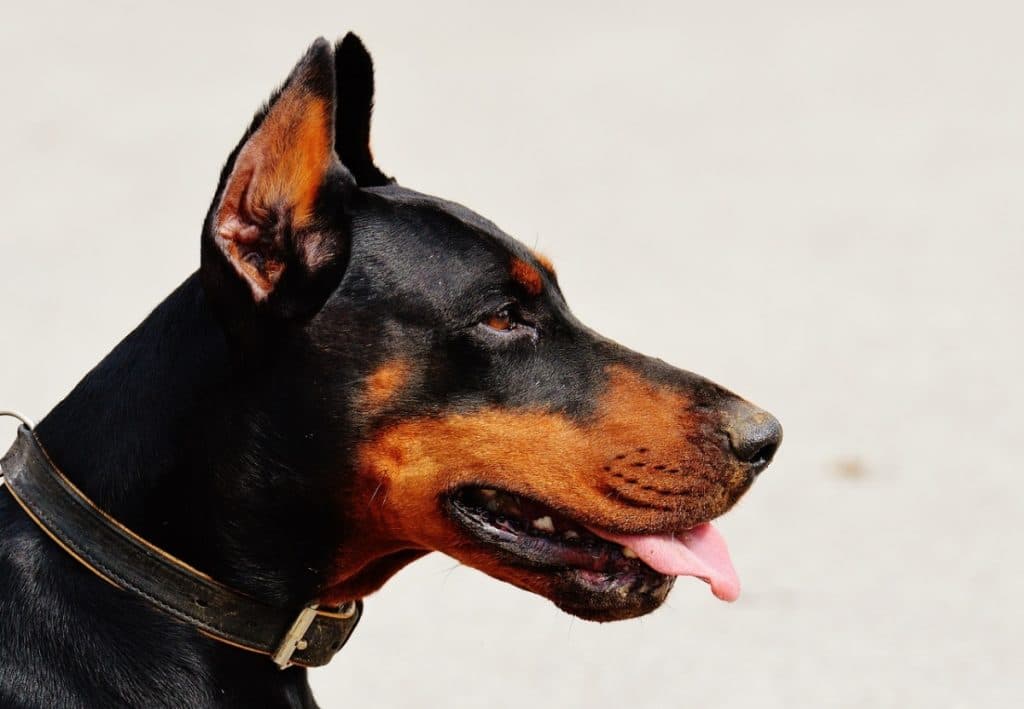
Potentially dangerous dogs, also known by the acronym PPP, are dogs that are considered to be aggressive in character and more prone to attacks (aunque esto es muy relativo a la educación del perro y a la necesidad que tiene de soltar energía, como veremos más adelante).
En España, hasta hoy la ley 50/99, de perros potencialmente peligrosos, incluía 9 dogs considered a potential danger.
The official list of potentially dangerous dogs
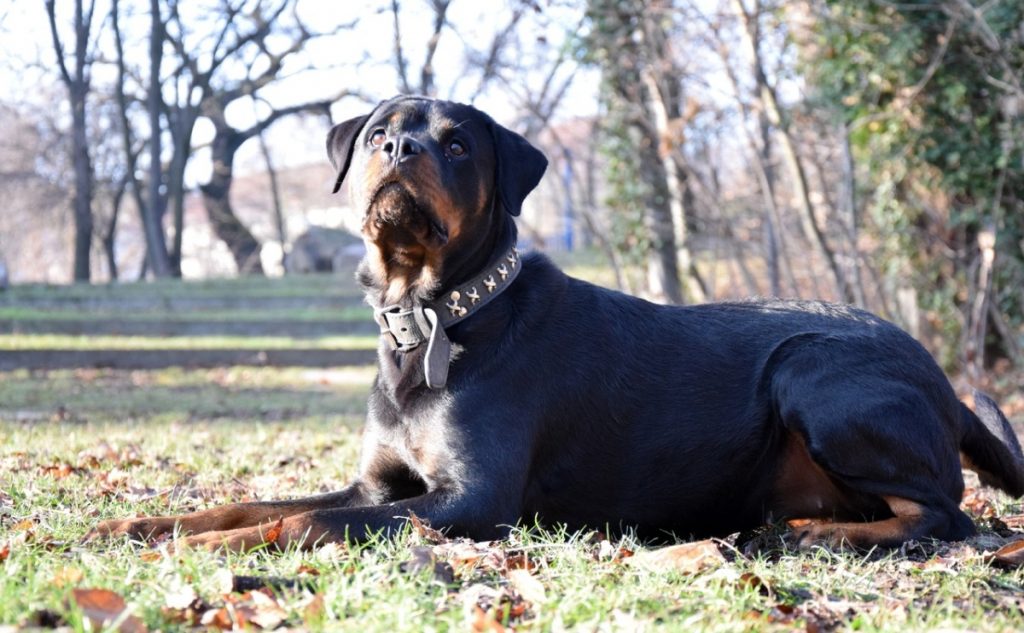
We will not dwell in much detail on this list, since it was dealt with at the time in this other dangerous dog post. According to Spanish legislation, the list includes the following breeds:
- Akita Inu
- american staffordshire terrier
- Argentine Dogo
- Brazilian row
- pit bull terrier
- Rottweiler
- Staffordshire bull terrier
- tosa inu
Other characteristics of dangerous dogs
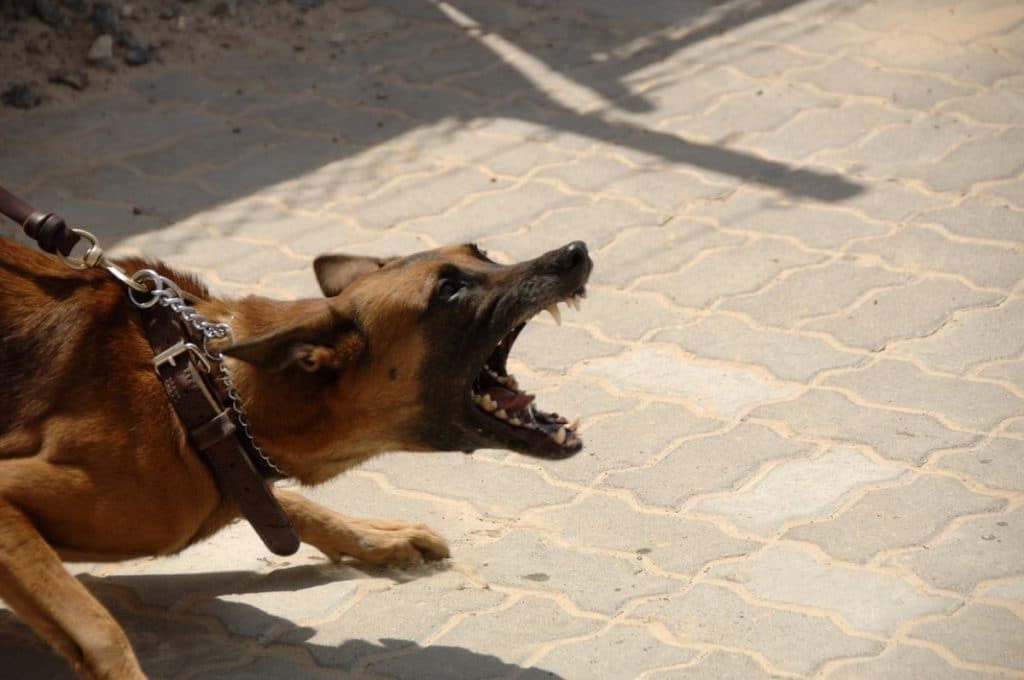
The list, however, also points to the crossbreeds of these breeds with other dogs, and has some characteristics that, if fulfilled, would include the dog as a potentially dangerous dog even if it did not belong to any of the breeds listed. These characteristics, broadly speaking, include:
- Un wide chest and muscular.
- Bulky head, with strong jaws.
- Legs with marked and strong muscles.
- Short neck, muscular and wide.
- Un weight checked of more than 20 kilos.
- Hair short.
- In general, a robust appearance, muscular and strong.
Does race condition aggressiveness?
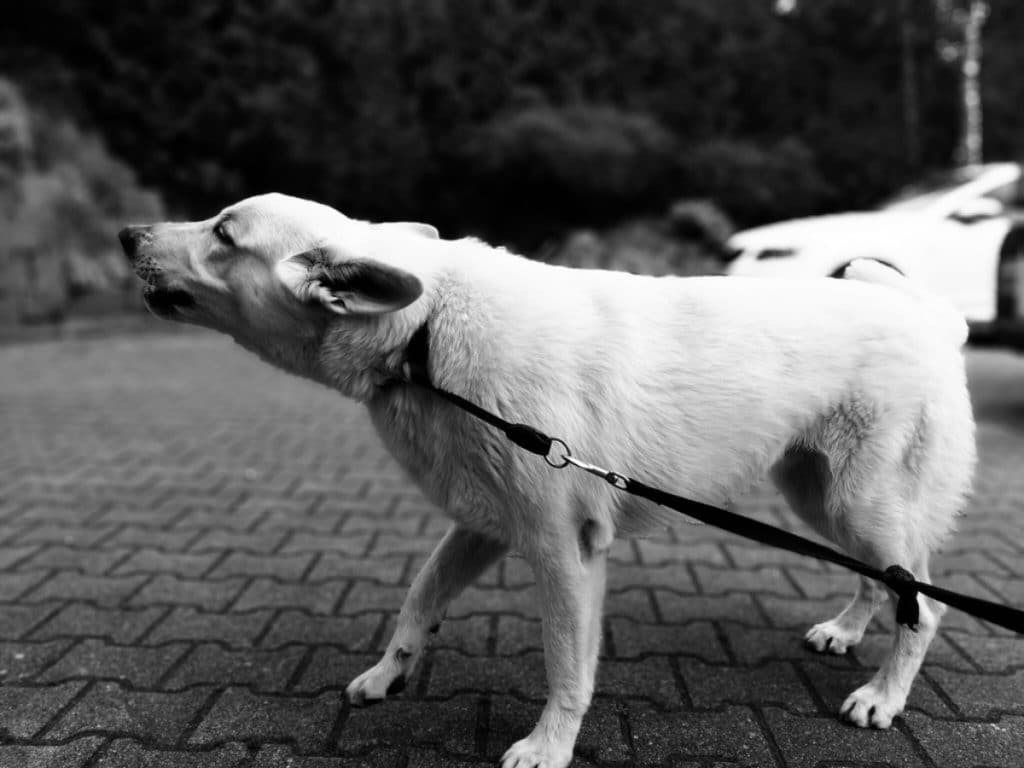
The great advance that will come with the modification of Law 50/99 is that the list will be eliminated. As you can imagine, numerous animal lovers and animal lovers associations, and dogs in particular, are tremendously in favor of change, because removes biases about race that are not entirely true.
Porque, aunque es verdad que los perros considerados hasta ahora potencialmente peligrosos tienen un comportamiento que puede dar pie a situaciones peliagudas, it is not true that it is simply the breed that determines whether a dog is aggressive or not, as we will see below.
The character of PPP

It is evident that the dogs of these breeds have a series of needs that, if not met, the animal can vent with a behavior that could be considered aggressive, as well as less patience or a protective instinct towards its higher pack. Dogs are not born aggressive, many times it is the environment (in fact, people) that conditions them to behave like this.
For instance, despicable human behaviors such as training the dog to attack or constantly keeping it on a leash, can influence the character of the dog, as well as trauma that provoke fear in the animal and that lead it to exhibit a behavior of these characteristics.

It does not help that the legislation in Spain is especially lax when it comes to keeping animals y que, por desgracia, estos acaben en manos de irresponsables que vean a estos preciosos animales más como un objeto para satisfacer sus necesidades que como un compañero.
En definitiva: the way the owner treats and trains his dog is essential when it comes to forging the character of the animal. As always and in all areas, dog and master education is the crux of the matter.
How to educate potentially dangerous dogs

We have already seen that human treatment of potentially dangerous dogs es una de las cuestiones clave para que estos animales no desarrollen conductas agresivas.
De hecho, a rottweiler doesn’t have to be more aggressive than a chihuahua (although it is clear that the first imposes more). Especially if we raise our dog from a very young age and he grows up in a home where he feels safe and loved, and in which friendly behaviors are reinforced, our dog will be a lump of bread incapable of hurting a fly.

However What if these aggressive behaviors occur apparently spontaneously? So, first of all, we must identify what has motivated the behavior (a fear, the desire to protect the family …) and, above all, treat the animal calmly, since these animals can notice if you are nervous, something that would make the situation worse. It is also important that you consult with an expert in animal behavior to fix the root problem and begin to treat it. The longer it takes, the worse, since aggressiveness could become entrenched and become a recurring problem.
The bill
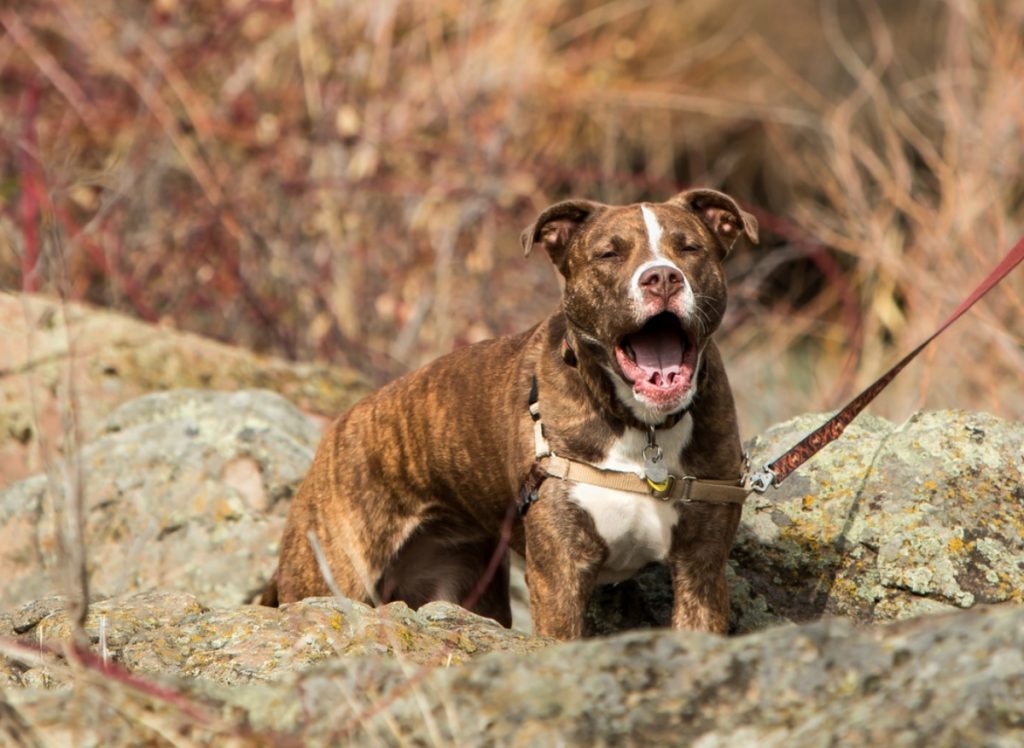
Finally, although the modification of the 50/99 law especially complies with potentially dangerous dogs, other very interesting points that you want to review:
- First of all, you want create a registry with animal protection entities present in Spain and, in addition, combine it with a training framework aimed at its professionals. The law wants apply other records, for example, one of all the companion animals in the country and a registry of official breeders (so that not just anyone can be). Likewise, it also wants to launch a registry that identifies all those denounced for animal abuse so that they cannot register any animal in their name.
- In addition, it is expected that identifying companion animals is mandatory within their first three months.
- He also emphasizes that he wants to modify the access of accompanying dogs to public places to make it as wide as possible.
- Finally, it is also anticipated that penalties for those who mistreat animals will be increased.
Undoubtedly, the law of potentially dangerous dogs is something very positive for both the owners and the image of these animalsIn addition, the law includes other improvements. Tell us, did you know this law? How about? Remember that you can tell us everything in a comment!
Índice