
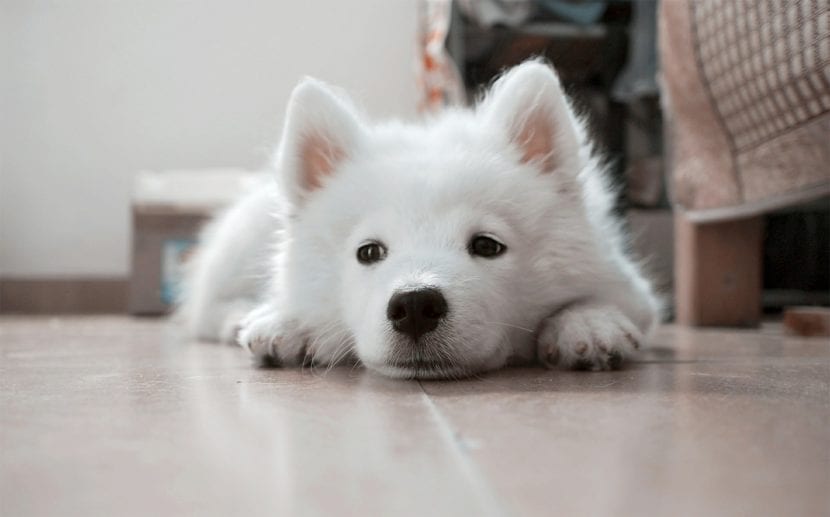
Normally it is not recommended to alter the sleep periods of our furry dogs, but when we have a puppy we can make an exceptionThe little one is likely to feel insecure and miss his mother and siblings, so when all the lights go out he may have a very difficult time and show it by crying, moaning, or restlessness.
To help you, we offer you a series of tips about how to make a puppy sleep through the nightCombining games, routines, a suitable environment, and good management of their physical and emotional needs, as recommended by dog trainers and veterinarians specializing in puppies.
How many hours of sleep does a puppy need and why does it wake up
Puppies, like human babies, They need many hours of sleep. to grow properly. They usually sleep between 18 and 20 hours a daydivided between short naps and periods of deeper sleep. This rest is key for their physical, emotional and immune system development.
However, just because a puppy sleeps a lot doesn’t mean it sleeps through the night. The bladder is very smallTheir digestive system is still immature, and their brain is constantly processing new stimuli. All of this makes them wake up frequentlyespecially during the first few weeks in their new home.
It is completely normal for a puppy of around two months old I couldn’t hold it all night without peeing and that, furthermore, he seems more active or restless in the evening. Knowing this starting point will help you to have realistic expectations Be patient while you work on your sleep habits.

Play with him during the day
The key for the puppy to sleep through the night is that arrive tired at the end of the dayTherefore, it’s very important to play with him during the times he’s awake, while also respecting his frequent naps. A puppy that spends hours bored and without activity will become lethargic. Full of energy whenever you want to sleep.
In pet shops you will find many toys that you can have a lot of fun with: ballsFrisbees, interactive games, stuffed animals, tug-of-war ropes… Any of these will entertain your child and help them tire themselves out. It’s best to alternate between them. physical game (chasing, fetching, short walks if your vet allows it) with Mental Game (learning simple tricks, puzzle toys, scent sessions).
Try to ensure they have several short activity sessions throughout the day, and that, at the end of the day, the playtime is something more active. calm and moderateso that by nightfall he has spent his energy well but without being overexcited, which would make it difficult for him to relax.
Give him sniffing sessions
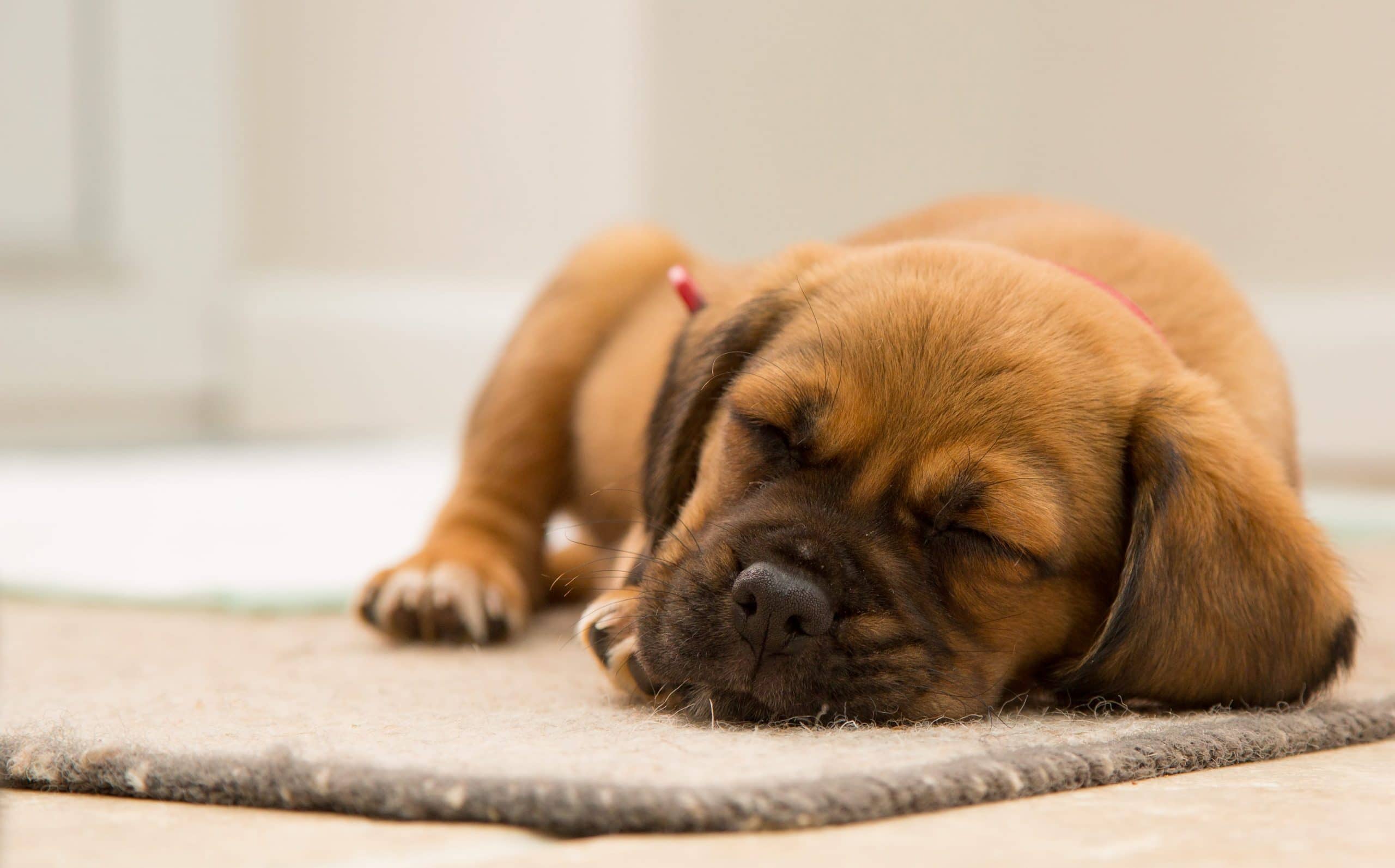
When a dog, regardless of age, works with its nose for a relatively short period of time, it will not only calm down but also, upon finishing, you will feel more tiredSmell is a dog’s primary sense, and using it in a controlled way helps it to… relax mind already reduce anxiety.
Therefore, I recommend that you spread dog treats Or you can scatter pieces of sausage around the house, yard, or garden for your puppy to fetch. You can also use sniffing mats, cardboard boxes filled with crumpled paper, or hide treats in different rooms. The important thing is that the exercise is… safe, guided and fun.
A good strategy is to reserve one of these sniffing sessions for the last part of the daywith a gentle intensity. This way, your puppy will end the day with an occupied mind, a tired nose, and a feeling of well-being that promotes a deeper sleep.

Take him out for a walk and / or run
If you are two months old and have the corresponding vaccines, you can take it for a walk and / or runBut only in areas you know beforehand are clean; that is, areas where not many dogs or cats usually go. From four months of age, you can take him out without worrying too much about this, as he will be much more protected at that age.
Daytime walks, always adapted to their age and veterinary advice, are one of the best ways to ensure your puppy is well-rested by nighttime. adequate energy levelIn addition to physical exercise, walks provide environmental stimulation (smells, sounds, textures) that help him sleep better.
Before going to sleep, it is essential to offer them a last trip to the bathroomTake him to the area where you usually housebreak him and wait until he finishes, rewarding him with petting or treats. This greatly reduces the likelihood of him waking up in the middle of the night because he needs to go outside to urinate or defecate.
Create a consistent afternoon and evening routine
Dogs, especially puppies, often feel safer and more relaxed when They know what’s going to happenA predictable routine signals to him that the day is coming to an end and it’s time to rest, making it easier for him to fall asleep earlier and wake up less.
It can help to always follow one similar sequenceLast meal a couple of hours before bedtime, a short period of moderate play or simple training, a potty break, a quiet period with less noise and light, and finally, place him in his bed or crate with a safe toy. Repeating this sequence every night will help your puppy settle down. anticipate bedtime and settle in more quickly.
Avoid sudden changes such as constantly changing where they sleep, drastically altering meal times, or engaging in highly exciting games right before bedtime. constancy It is one of the factors that most influences whether a puppy manages to sleep through the night.
Prepare a welcoming rest area
The place where your puppy sleeps plays a crucial role in its ability to sleep through the night. It needs a space that conveys… safety, comfort and peace of mindaway from drafts and loud noises.
Place a soft bed In a quiet area of the house, preferably where the family spends time and the puppy won’t feel isolated. If possible, use blankets or a towel with familiar smellThe scent comes from their breeder, shelter, or old bed. That smell helps reduce the stress of separation.
Many puppies sleep better if they have a plush toy or cushion with whom to cuddle, simulating contact with their siblings. A general atmosphere of calm home At dusk: dim lights, a television with low volume and calm conversations invite rest.
Cage, playpen or bed near you: how to choose
During the first few nights, it’s very common for puppies to cry because they feel lonely. Keeping them close, whether in a… puppy cagePutting your baby in a playpen or in their bed next to yours can greatly reduce that anxiety and at the same time make it easier for you to hear when they need to go to the bathroom.
The cage, when used correctly, becomes a safe haven And not as a punishment. It should be just the right size for your pet to stand up, turn around, and lie down comfortably, but not so big that they use a corner as a toilet. Initially, place it in your room, partially cover it with a blanket to give it a den-like feel, and add a soft bed and a blanket with a familiar scent.
If you prefer not to use a cage, a puppy park A space divider or a barrier can serve the same purpose: keeping the dog safe at night, preventing it from wandering, chewing on cables, or using different parts of the bedroom as a bathroom. Its bed can be within that space, near your bed, so it can see and smell you.
Whichever option you choose, it’s important that the puppy associates that place with something. pleasant and peacefulOffer him his treats and safe chew toys there, and let him rest undisturbed during the day in his resting area.
If he cries, don’t give him constant attention.
I know, it’s very hard. But if a puppy cries and we give it immediate attention every time, it will do it again every time it wants our attention. Bearing this in mind it is important to ignore him automatically, unless he is sick or you notice clear signs that he really needs to go out to relieve himself, in which case it will be necessary to take him to the vet or take him out for a moment to the bathroom.
The most balanced strategy consists of first check your basic needs (that he isn’t hungry, thirsty, cold, in pain, or needs to urinate) and, if everything is alright, give him a few minutes to see if he calms down on his own. You can soothe him with your soft voice or by placing your hand nearby without taking him out of his bed or cage, but avoid turning the night into a playtime or party.
If you get up to take him out to relieve himself in the middle of the night, make that walk as pleasant as possible. boring and functional If possible: without playing, without prolonged petting, and returning immediately to the resting area. This teaches him that getting up in the middle of the night is only for going to the bathroom, not for having fun, and little by little he will be able to hold it for longer.
When does a puppy start sleeping through the night?
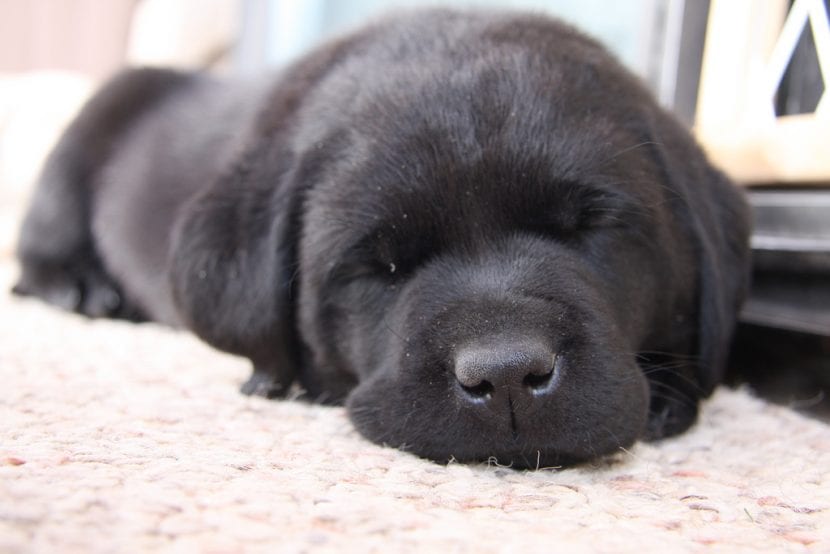
Every dog is different, but many puppies start sleeping 5 or 6 hours straight From two months of age, provided they have a well-organized daily routine. Among the 4 and 5 monthsA significant portion of them can now sleep practically all night without waking up, although smaller breeds usually take a little longer due to having a reduced bladder.
Can be given punctual awakenings Even after those months, for example, during moves, visits, loud noises, or minor digestive issues, your puppy may still experience sleep disturbances. As long as you see the puppy progressing and improving its ability to sleep through the night, you shouldn’t worry: it’s part of its development. maturation process.
We hope these tips help your little one sleep through the night and that you get some rest too. With patience, routine, appropriate exercise, a cozy environment, and good management of their needs, your puppy will learn to relax on their own, and nights will become increasingly peaceful for the whole family.
Índice
- 1 How many hours of sleep does a puppy need and why does it wake up
- 2 Play with him during the day
- 3 Give him sniffing sessions
- 4 Take him out for a walk and / or run
- 5 Create a consistent afternoon and evening routine
- 6 Prepare a welcoming rest area
- 7 Cage, playpen or bed near you: how to choose
- 8 If he cries, don’t give him constant attention.
- 9 When does a puppy start sleeping through the night?