
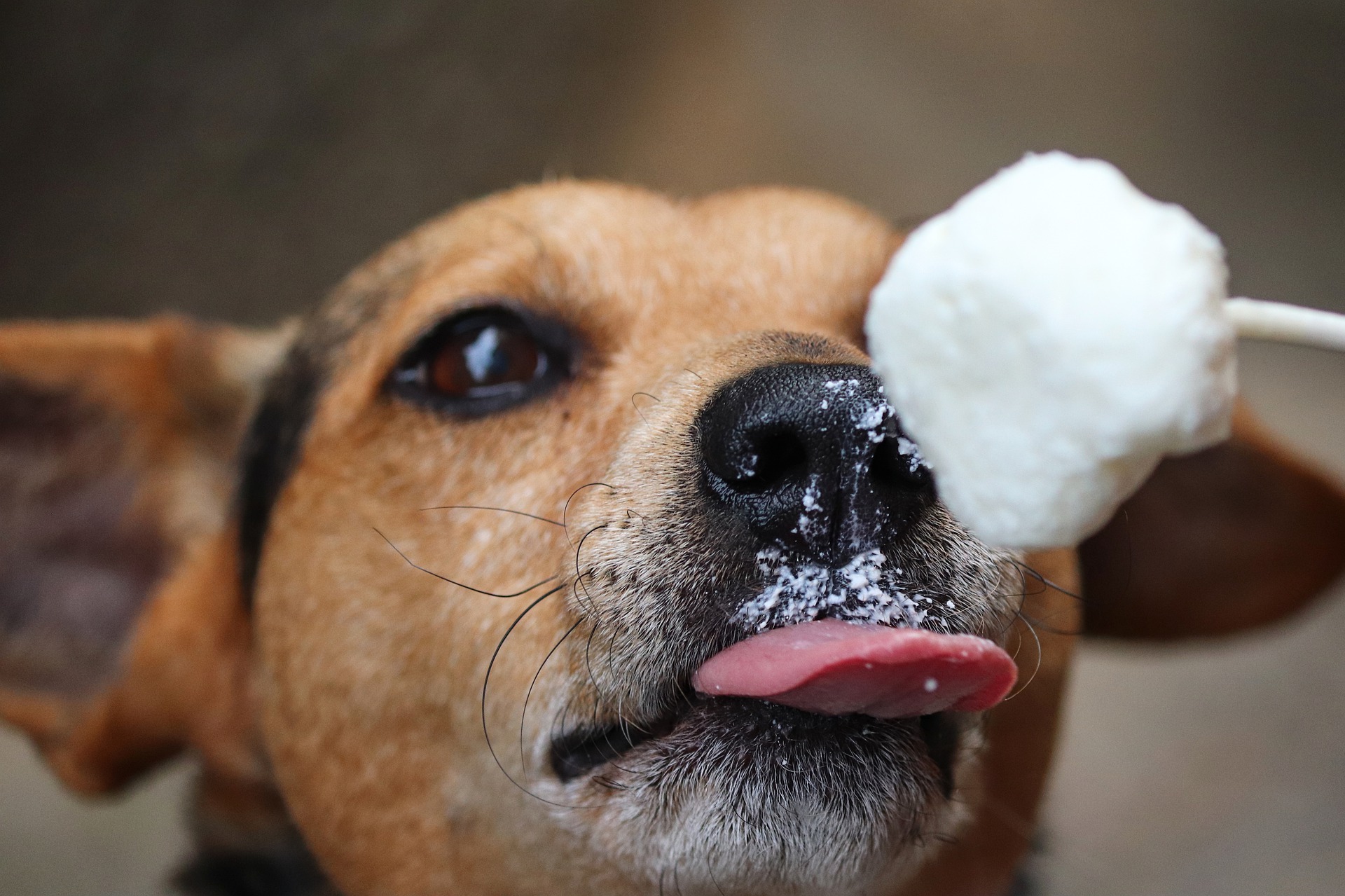
Have you ever gone to the park and noticed that there are a couple of dogs kissing each other? OR Have you noticed that your dog does it with another dog? Puede parecer un comportamiento extraño por parte de los caninos e incluso algunos lo ven como un símbolo de amistad y afecto, sin embargo en este artículo vamos a desvelar el misterio de por qué los perros lamen las bocas de otros perros.
Cuando dos perros se encuentran, el perro más tímido entre ambos simplemente va a bajar la cabeza, evitará el contacto visual y finalmente procederá a lamer la boca del otro perro, que es mucho más dominante e inspira más confianza.
What does one dog want to say to another when it licks its mouth?
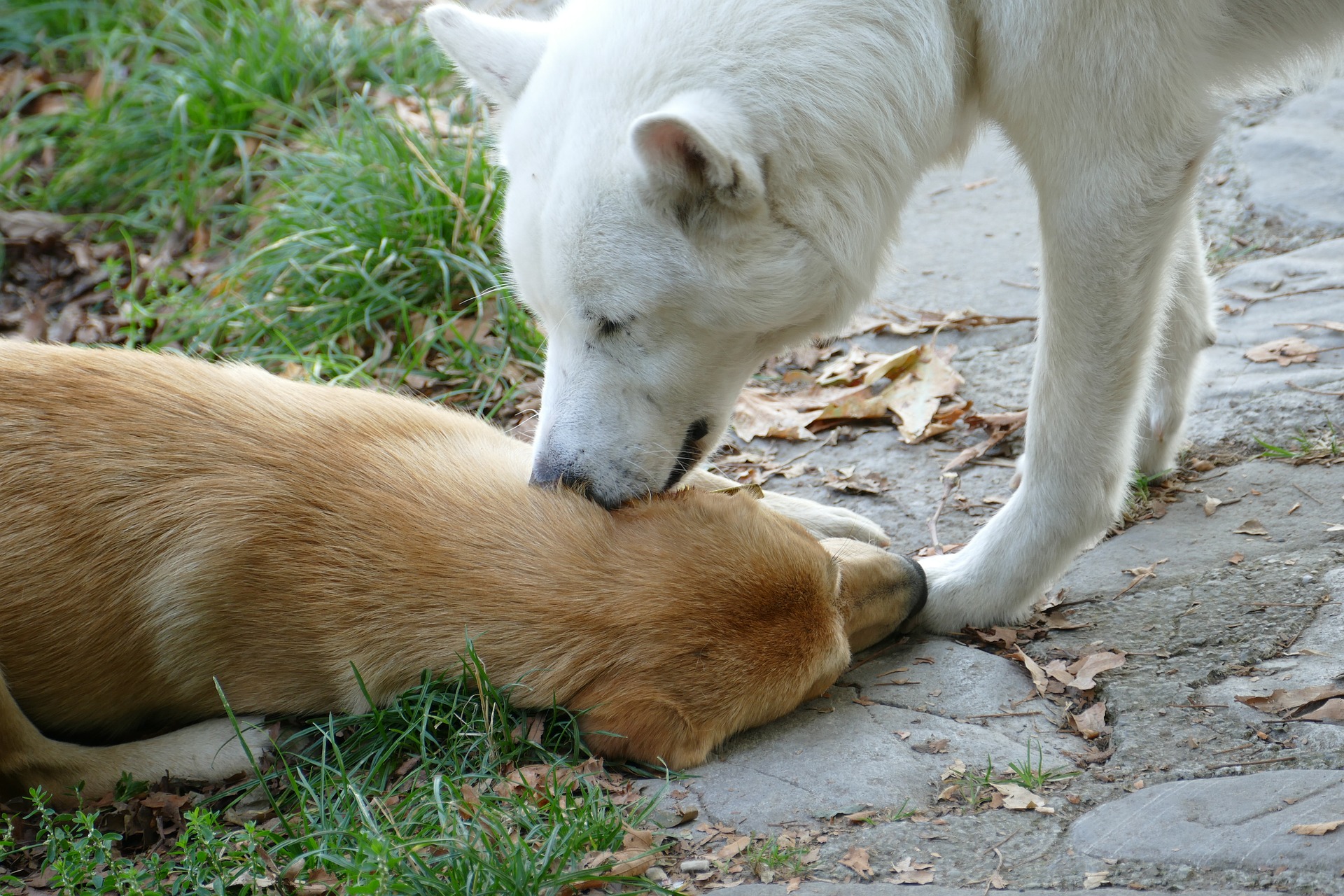
Basically, when a dog licks the mouth of the other, he is saying “hello friend, I come in peace.” It may seem unpleasant, but this behavior is the translation of a handshake o un beso en la mejilla, para los seres humanos.
Estos “canine kisses”They are also frequent among dogs that already know each other or are friends, because they are transmitting to the other that they are going to take care of themselves forever. When puppies meet other puppies, they give each other these kisses to show affection and friendship.
Por supuesto, este comportamiento indica que between dogs there is no hierarchy, because once they meet and make their “peace treaty”, They are promising that they will take care of each other and that they trust each other.
Canine kisses also indicate alertness
When a dog starts to licking each other’s mouth excessively, it means you have a tumor, a cut, or some other wound or condition that needs attention. That is why you must be very aware del comportamiento de tus perros, ya que pueden estar señalándote que algo va mal.
Los cachorros they also give canine kisses to their mothers, but although it seems strange, in this case the kiss does not mean affection. What happens is that, when dogs stop being breastfed and begin to digest normal foods, then they lick their mothers mouth waiting for you to regurgitate some food para ellos, como sucede con las aves recién nacidas.
Si tienes cachorros muy pequeños, entonces debes estar asistiendo al veterinario para que este te asesore en how to feed your dogs well and thus these are well nourished, so that they do not look for their mothers to feed them. Remember that going from milk to food is not an easy process, so your vet should tell you how to make the change.
What if my dog obsessively licks other dogs in the mouth?
Puede ocurrir el caso en que tengas un perro que, nada más ver a otro, vaya corriendo y no deje de lamerlo. Al igual que una persona muy “besucona”, en los perros también hay ese tipo de comportamiento y lejos de significar lo que hemos comentado, llega a hacerse pesado, e incluso podría acabar con un buen mordisco del otro perro.
Entonces, ¿quiere eso decir que hay que separarlos si se produce este comportamiento? Sí… y no. En general, the animal must learn by itself what is right and what is not. Por ejemplo, cuando es un cachorro se sabe que lamen mucho más a otros perros, e incluso a los humanos, porque son curiosos, porque les da alegría tener personas y perros que les prestan atención, etc. Ahora bien, todo tiene un límite, y la propia madre es la que se encarga de enseñárselo; así como las reacciones de otros perros.
Por supuesto, esto no quiere decir que si ves que el otro animal se enfada o le muerde, tengas que dejarlo, pero sí has de intervenir lo menos posible.
Muchas veces, esa obsesión por lamer tanto viene debido a que están sobreexcitados, o bien porque hay mucho estrés que hace que tengan una reacción exorbitada con los “besos caninos”.
If you see that he does not learn, or that his behavior is maintained, or even goes to more, you may need the help of a canine educator, or an ethologist, that helps to correct that behavior, not to eliminate it completely. On many occasions, the behavior of the animal is given by a cause and, by eliminating it, you get everything to be solved.
Besides the mouth, what other parts do dogs lick each other?
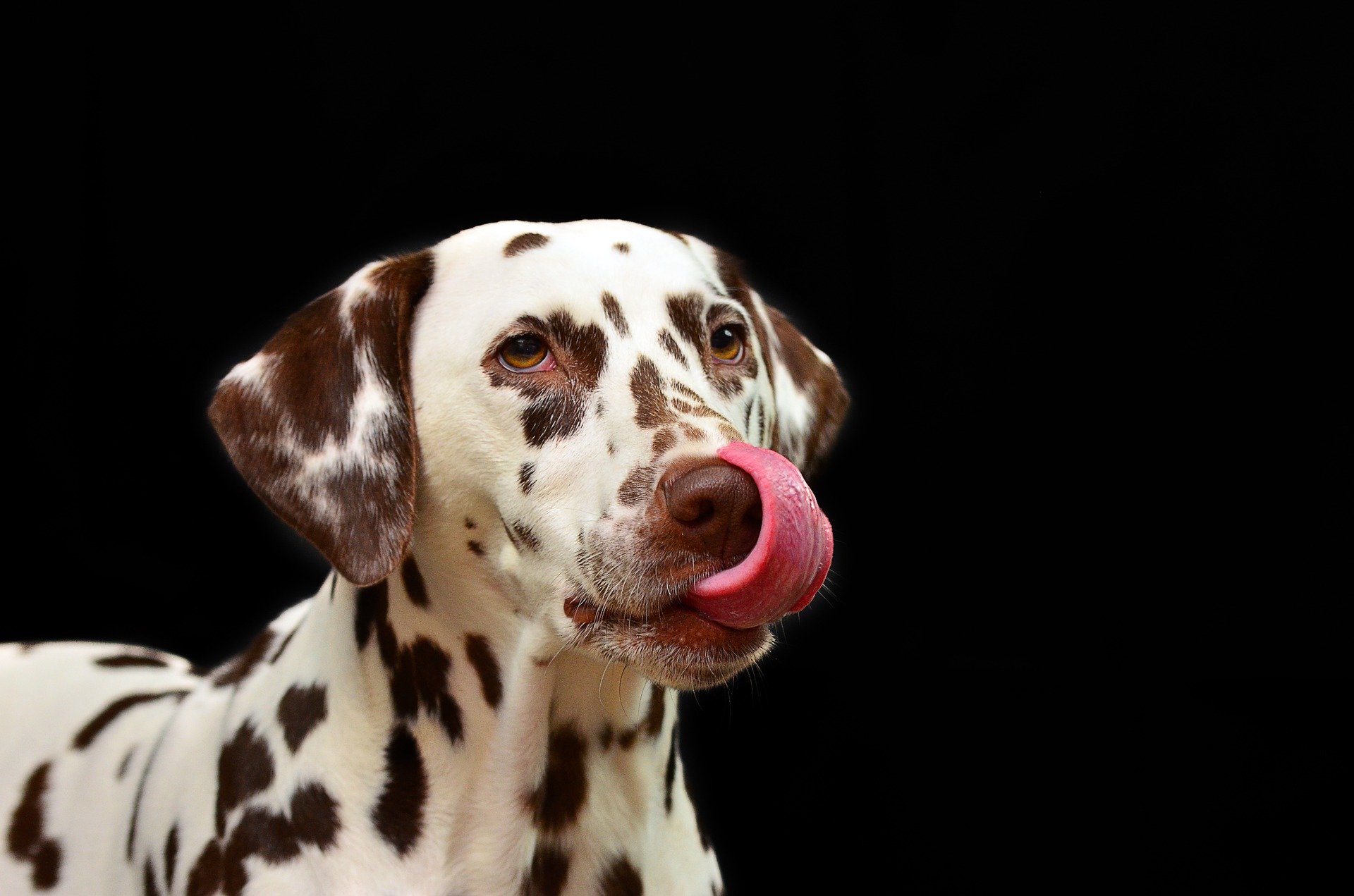
Si tienes un perro, seguro que te has dado cuenta de que este, cuando se junta con otros, no solo se dedica a lamer la boca de los demás. De hecho, muchas veces no lo hace. Pero sí lame otras zonas, ¿a que sí?
El lamido es un instrumento muy valioso para los perros (y sin embargo, en algunos casos no lo utilizan). Además, es una forma de comunicación. Y no solo lo hacen para lamer la cara, sino también para el lomo, las orejas, los ojos, las patas, y sí, también los genitales.
En general, podríamos decir que It is a form of approach to the dog, and of grooming, ya que, como sabes, lamerse es una forma de mantener su higiene, y hacerlo con otros es para que vean que se preocupan por ellos.
También son propensos a lamer las heridas, no solo de los perros, sino también de los humanos. Su saliva es muy beneficiosa, porque ayuda a que las heridas se curen rápido, pero no las de los humanos, sino entre perros. De tal forma que, si lame la herida de otro perro, lo que quiere intentar es mejorar la situación y aliviar el posible dolor para que se recupere cuanto antes.
Reasons why a dog does not lick
Before finishing, we want to talk to you about an assumption that can occur in a dog: that it does not lick others. Not even you. We cannot say that it is a serious situation, because it really is not, pero sí es llamativa en cuanto a que hablamos de un comportamiento que suelen tener desde cachorros y que mantienen en su etapa adulta.
Sin embargo, hay razones por las cuales un perro puede no lamer. Y son estas:
A trauma from the past
Sometimes when a dog does a wrong thing, we get angry and scold him. But when it is small, or when the reaction we have is excessive, it can cause trauma that will accompany you throughout your life.
Lo mismo sucedería si, en lugar de una persona, quien le provocara el trauma fuera otro animal.
De ahí que aprendiera “por las malas” que no debe lamer.
Too shy
Another reason why a dog does not lick may be because it is very shy, and it is difficult for it to approach other dogs, either out of fear or lack of socialization, etc. In this case, You do not have to force it, but hope that little by little it will gain the confidence it needs.
Relationship problems
Although many might think that we talk about the same thing as before (being shy), we do not go there. We refer to those dogs that have difficulty connecting with the world. Por ejemplo, que no les gusta salir, que no quieren ir a zonas con otros perros, o que simplemente no muestran interés por nada a su alrededor.
En otras palabras, hablamos de animales con dificultades para relacionarse con su entorno. Esto lo hacen no solo con la vista y el olfato, sino también con el gusto. Y ahí es donde entra en juego la lamida. Para ellos, la lamida es también una forma de obtener información y de conocer olores, fluidos e incluso de lograr que sus sentidos se activen (por ejemplo, para saber si estás triste, feliz, enfadado…).
Pero si no lo hacen, es como si el perro se abstrajera de lo que hay a su alrededor, y ese no es un comportamiento habitual en los perros.
Remember that if your dog is very shy, you should help him make friends
You have to look for dogs that are patient to play with him and so on a little little by little he will become more sociable. Incluso no es necesario que juegue con muchos perros a la vez, ya que con uno solo que lo ayude a salir de su timidez es suficiente para prepararlo.
Puedes llevar también a tu perro a special training classes. Esto no solo te ayudará a que sea más educado y obediente, sino que tendrá la oportunidad de convivir con otros humanos y otros perros. Además, en estos cursos los instructores se encargan de trabajar en la socialización de tu perro y en especial si es bastante tímido.
Recuerda que you must not interrupt a “canine kiss”, ya que puedes generar hostilidad en los perros o alguna reacción negativa hacia ti. Si tu perro no es muy sociable, recompénsalo cada vez que sea bueno o agradable con otros perros.
Así sabrá que being with other dogs is not harmfulbut it brings benefits and rewards. Do not force your dog to be sociable, as you will only make him more shy. Little by little he sees his number of playmates increasing, as well as the people who interact and play with him.
Índice