
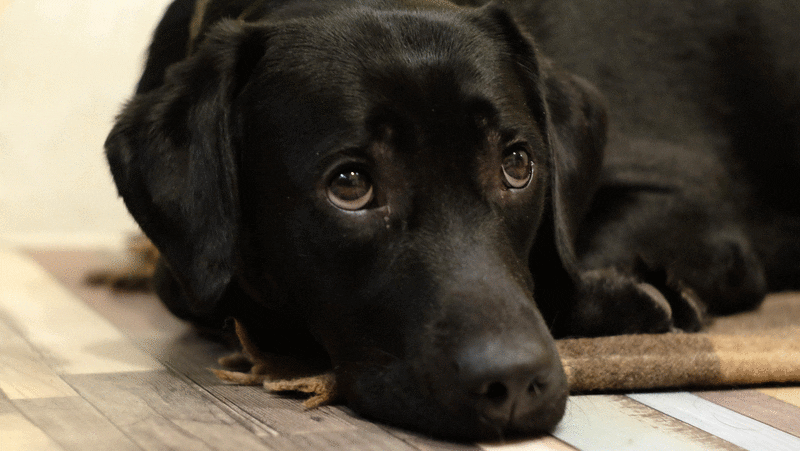
La deshidratación es uno de los problemas más serios que puede tener nuestro amigo, y a la vez, uno de los más fáciles de evitar. Sin embargo, a veces no es sencillo saber si el animal está deshidratado o no, pues si está en la fase inicial lo más normal es que se nos pase por alto, ya que no mostrará demasiados síntomas y estos no serán especialmente graves.
Pero al tratarse de un trastorno que puede ser potencialmente mortal es muy importante que no ignoremos el menor síntoma. Por ello, te vamos a what are the signs of dehydration in dogs and what you should do to help them get better.
What are the causes?
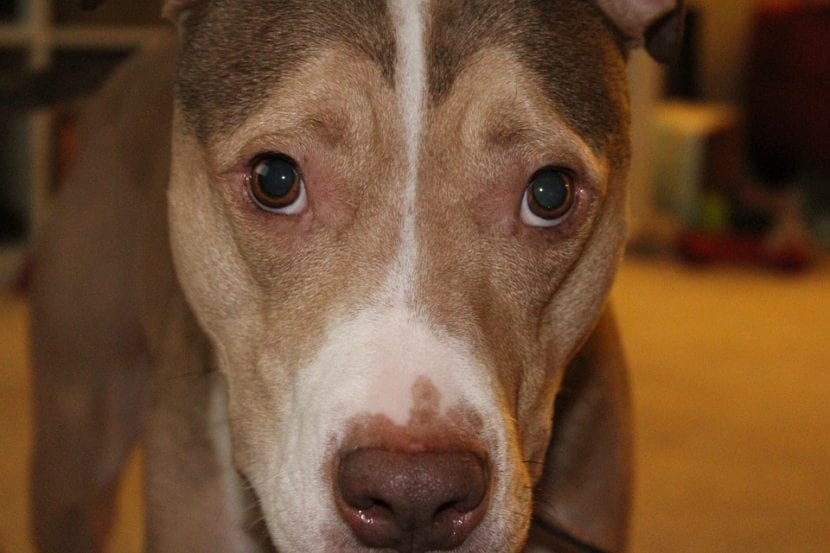
Dehydration occurs when the body removes more fluids than it recovers. This causes an imbalance of fluids, but also electrolytes, which causes the body to be damaged. If not remedied in time, life could be in serious danger.
The causes are multiple, including those associated with enfermedades whose symptoms are, among others, vomiting and diarrhea. Serious illnesses can also cause dehydration; without forgetting the heatstroke.
What are the symptoms?
Symptoms of dehydration in dogs are the following:
- Dry gums
- Thick saliva
- Darkened urine
- Lethargy
- Anorexia
- Dry skin, with loss of elasticity
- Hollow eyes
What types and degrees of dehydration are there?
La deshidratación en perros es un problema grave, que no suele solucionar -salvo en casos muy, muy leves en los que apenas se aprecian síntomas- dándole agua. Como hemos mencionado, hay enfermedades que causan vómitos y diarreas, pero que además suelen provocar pérdida de apetito, malestar general, entre otros síntomas.
Por eso, es muy importante que si notamos que nuestro perro tiene alguno de los síntomas que dijimos arriba, o cualquier otro que nos haga sospechar que no se encuentra bien, deberemos de llevarlo al veterinario lo antes posible, pues there are three types of dehydration based on the amount of solutes and electrolytes you lose. Estas son la isotónica, la hipertónica y la hipotónica.
Dependiendo de la gravedad, various degrees of dehydration are distinguishedThese are:
- Less than 4%: It is the mildest case, we will hardly notice symptoms.
- Between 5 and 6%: the skin begins to lose elasticity.
- Between 6 and 8%: the skin loses elasticity, it takes a long time to recover.
- Between 8 and 10%: In addition to the skin problem, we will see that he has dry mucous membranes and sunken eyes.
- Between 10 and 12%: Apart from the above symptoms, the animal will go into shock and have pale mucous membranes. Also, it will be cold on its paws.
- Between 10 and 15%: the animal will be in severe shock and could die at any moment.
How to help you?
The vet give you fluids and electrolytes to balance your body; puede ser vía intravenosa si el animal está muy mal, o bien vía oral o en ocasiones con jeringuilla si su caso es más bien leve. Si es un cachorro, la administración podría ser intraósea.
Por supuesto, si el profesional considera que debe de quedarse ingresado, lo mejor será escucharle y dejar que haga su trabajo.
How to prevent the dog from becoming dehydrated?
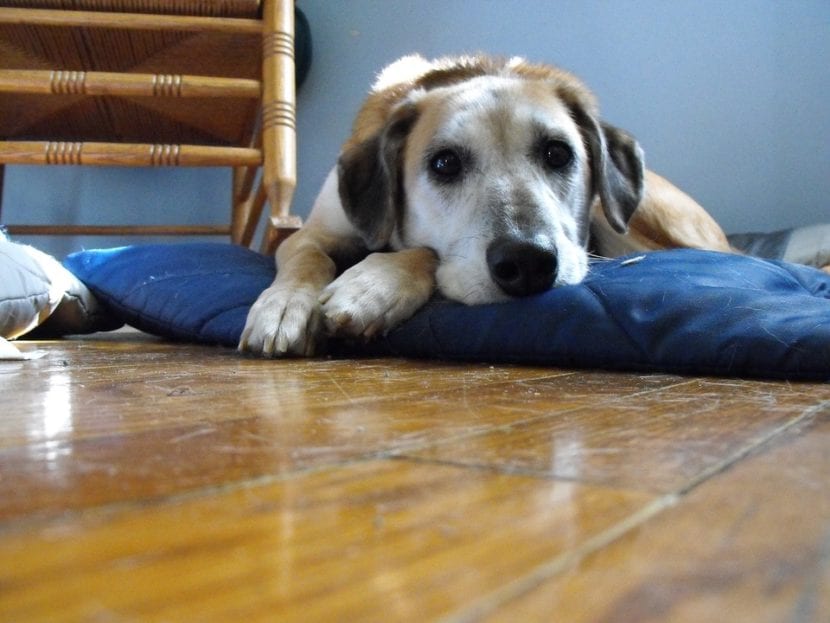
There are many things we can do to avoid dehydration in dogs, his:
- Make sure you always have clean and fresh water.
- Never leave it in a closed car in the sun.
- Give him wet food instead of dry, especially if he has a disease that could cause dehydration.
- Provide him with a shady corner.
- In case of observing some of the symptoms that we have mentioned, we will take you to the vet.
We hope this article has been useful to you.
Índice