
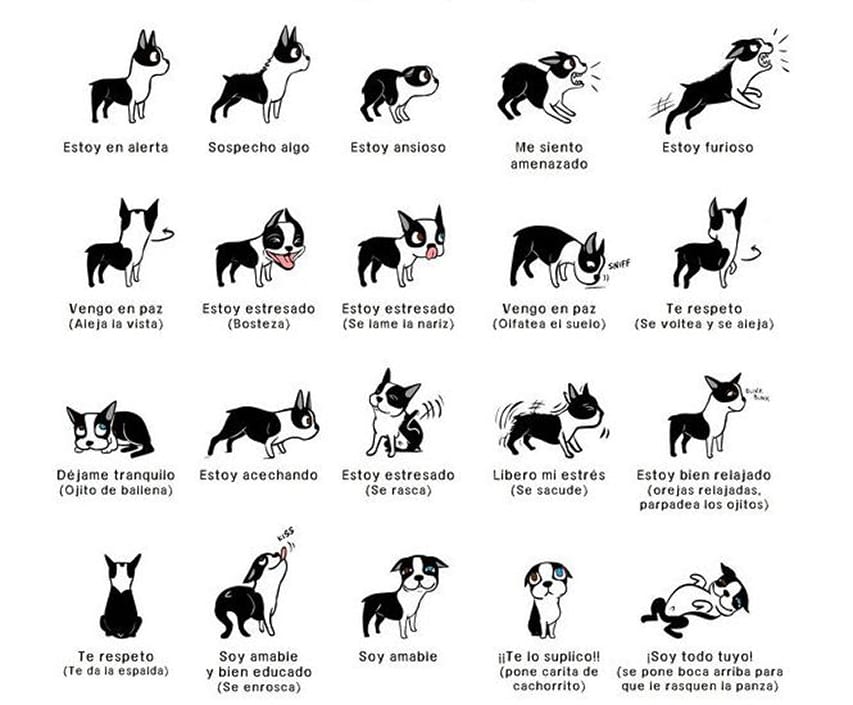
The language of dogs It is a fascinating and essential aspect of their nature, as it allows them to relate to both other members of their species and humans. In this article we will explore in depth how dogs use their body language, vocalizations and sensory perceptions to communicate. Understanding these signals will help us strengthen our bond with them and improve our coexistence.
Why is it important to understand the language of dogs?
The understanding of canine language es crucial para garantizar una convivencia armónica entre humanos y perros. En las manadas, los canes necesitan comunicarse eficazmente para mantener la paz, evitar conflictos y cooperar en actividades como la caza o el cuidado de los cachorros. Este lenguaje también les permite expresar emociones, identificar amenazas y coordinarse con su entorno. Como dueños responsables, debemos aprender a interpretar esas señales para entender lo que nuestros amigos peludos intentan decirnos.
Un dato interesante que destaca la importancia de esta comunicación es la sensibilidad de los perros al human body languageAccording to Turid Rugaas, a renowned Norwegian dog trainer, dogs perceive subtle changes in our expressions, movements or even pupil dilation. This level of perception makes them extremely receptive and empathetic animals.

Key elements of dog language
The language of dogs is mainly composed of three elements: body language, vocal signals and sensory perceptions. Each one plays a fundamental role in your daily communication.
Body language
El body language It is the most significant component of canine communication. In fact, it is estimated that 99% of their communication is based on gestures and movements. Among the most common signals are:
- General position: A relaxed posture indicates confidence and comfort, while a rigid body can mean tension or alertness.
- Tail movements: Although commonly associated with happiness, tail wagging can express nervousness, curiosity, or aggression depending on its speed and position.
- Facial expression: Erect ears, raised eyebrows, or a relaxed muzzle are indicators of how the dog is feeling.
Vocal signals
Dogs use different types of vocalizations to express themselves. Although they don’t rely on sound as much as humans, their barks, growls, and groans communicate important information. For example:
- barking: They can mean alertness, excitement, or demand for attention.
- Grunts: They generally indicate discomfort or warning.
- Wailing: They express anxiety, pain or excitement.
Sensory perceptions
The senses Dogs’ highly developed sense of smell plays a crucial role in their communication. Their ability to perceive minimal smells and sounds allows them to interpret their surroundings and respond appropriately. According to studies, dogs can detect human illnesses or emotional changes through smell.
Calming signals: The key to peaceful coexistence

One of the most relevant concepts in canine language is the “señales de calma”, a term popularized by Turid Rugaas. These signals are gestures or behaviors that dogs use to avoid conflict and maintain peace in their environment. By understanding them, we can anticipate situations that may cause them Stress o incomodidad.
Algunas de las señales de calma más comunes incluyen:
- Yawns: A dog may yawn when feeling tense or to calm others.
- Licking one’s snout: This gesture usually appears in awkward situations.
- Turn the head: Indicates that the dog is trying to divert attention to avoid confrontations.
- Sniff the ground: It is often used as a distraction or to calm tensions.
Warning signs in canine behavior
In addition to calming signals, dogs emit warning signs to express their discomfort or need for space. These tend to be more intense and could be precursors to aggressive behavior if not respected. Some of these signs are:
- Grunts: They indicate that the dog is not comfortable and needs the situation to change.
- Raised hair: A clear sign that the dog feels threatened.
- Crescent eyes: They show the whites of the eyes, reflecting nervousness or stress.
- Freezing: When a dog stands still, he is assessing the situation before deciding how to act.
[related url=”https://www.mundoperros.es/los-perros-no-les-gustan-los-abrazos/”]
How to communicate effectively with our dog
Si bien los perros tienen un repertorio comunicativo impresionante, nosotros también podemos “hablar” su idioma. Adaptar nuestra conducta nos ayudará a establecer un vínculo más sólido:
- Avoid sudden movements: Gentle, calm gestures build trust.
- Look calmly: Avoid staring, as this could be interpreted as a threat.
- Paying attention to our emotions: Dogs detect our emotional state; staying calm is essential to convey security.
- Reinforce positive signals: Use rewards or petting to encourage desired behaviors.

Common mistakes to avoid
Many dog owners make mistakes errors when interpreting or responding to canine language. These errors can lead to stress or even behavioral problems:
- Punishing warning signs: For example, scolding a dog for growling may cause him to suppress this signal and move directly to more intense behaviors such as biting.
- Ignore your attempts at communication: Failure to heed their signals can lead to anxiety and mistrust.
- Force interactions: Forcing a dog to interact with people or animals when he is uncomfortable can backfire.
[related url=”https://www.mundoperros.es/como-evitar-que-mi-perro-muerda/”]
Entender a nuestros perros es un proceso continuo que requiere observación, empatía y práctica. Al desarrollar nuestra habilidad para interpretar su lenguaje, fortalecemos nuestra conexión con ellos, promovemos su bienestar y garantizamos una convivencia basada en el mutual respect.