
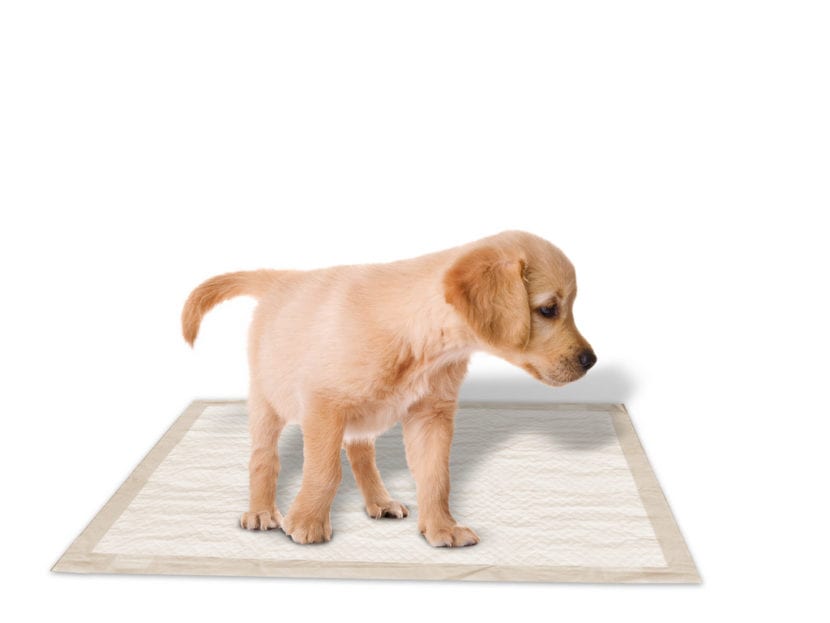
Experience says that if not we started to educate the little furry one so that he can pee wherever we want from the first day, then it will cost you more to learn. The ideal is to start training from when he is a puppy, since in just two or three weeks we will get him to go to relieve himself wherever we want, although if we have adopted him as an adult, he can of course also learn.
Let us know how to train the dog to pee, both at home and on the go. In addition to basic routines, it is important to consider when to start, how to use the positive reinforcement, what to do in the face accidents at home and how to address the cage training and the possible health problems in adults.
Teach him at home
Getting him to pee in a certain time corner It may take time, but not as much as we might initially think. Take note of these tips And you’ll see how sooner rather than later your friend will know where to go whenever he has to go to the bathroom:
- Put on a sanitary napkin in a place where the family does not live much life.
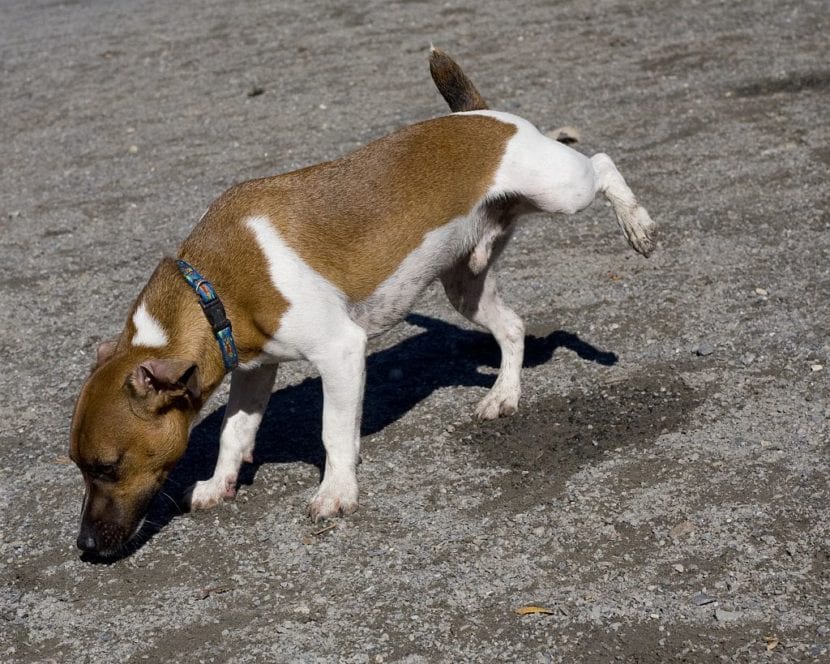
- Take your furry there after eatingAnd every time you see him smelling the ground a lot and circling around a confined space, as if looking for something.
- If you relieve yourself on the sanitary napkin, give him a prize. If not, nothing happens. You can wet her -to the towel- with a little pee so she knows that this is where she should urinate.
- If you see that it costs him, spray the sanitary napkin with a urination attractant. This will help you.
Many families use absorbent pads, newspaper or trays with artificial grass. Choose one spot, keep it accessible, and avoid moving it to avoid confusing your puppy. You can lightly rub the pad with a small urine sample to fix the reference odor.
establishes a regular meal timesPuppies have a fast digestive tract, and they usually need to eliminate between 5 and 30 minutes after eating. Then, take them to their designated area and wait calmly without distracting them.
Learn to read their señales: sniffing persistently, circling in a small space, pacing nervously, or heading for the door. As soon as you see them, take them to their bathroom and repeat a keyword short like “pee” or “poop.”
Always reinforce when you get it right treats, petting or a toy. If he makes a mistake and you see him in the act, say a “Do not!“brief and neutral and avoid counterproductive practices If you don’t see him in time, clean up quietly without scolding him.

Teach you on the street
Teaching a dog to relieve himself outside the home is a task that may be somewhat easier than the previous one. To do this, we have to look at the behavior of the animal, and take him out every time we see him spinning around with his nose almost glued to the ground. But we don’t have to take him out to urinate and that’s it, but the best thing to do is go for a walk and reward him every time he does his business.
So, over time, he himself will tell us when he needs to pee, placing himself right there. in front of the door.
Plan several short trips a day: upon waking, after taking naps, after playing, after eating/drinking, and before bed. Keep the walk calm, give him time to explore, and when he’s done, congratulate him immediatelyConsult with your veterinarian about the appropriate time to begin outings if your puppy hasn’t yet received a complete health checkup.
Routine, signals and sphincter control
Among the latests Moravia’s compositions 12 and 16 weeks the puppy begins to control its sphincters better, and between the 4 and 6 months Most already do their business outside regularly, although some need more time. As they learn, adjust the frequency of outings (at first they may be every 1-2 hours), observe their body language and always use the same quiet area to facilitate concentration.
At night, you can put one alarm for a short outing or to use a carrier Next to your bed, the right size (not so big that it separates the sleeping and bathing areas, nor so small that it’s uncomfortable). Gently remove it if you notice any restlessness.

Positive reinforcement and mistakes to avoid
El positive reinforcement This is the basis: each success must bring a pleasant consequence (prizes, a cheerful voice, a game). Avoid counterproductive practices such as rub the snout in the pee, yelling or punishing; they only generate fear and can encourage the dog to hide to urinateIf you catch him in the moment, calmly interrupt and redirect.
Get two quality walks a day as a minimum and add extra short outings during the learning phase. On days of adverse weather or if you live in an apartment, you can set up a “emergency bathroom” with a soaker, without replacing regular outings.
Home Accident Cleanup
Accidents are part of the process. When they happen, clean without scolding and use a enzymatic cleaner specific product that completely eliminates the odor. Avoid products with ammonia because they can attract the same spot again. If there are problem areas, temporarily limit access and reinforce the hits in the correct area.

Cage training and nights
La cage/playpen Well managed, it takes advantage of the dog’s natural tendency not to soil its resting area. Use it short periodsOffering plenty of bathroom breaks. It’s never a punishment or a place for long periods of time. If he wakes up fussy, take him out, wait calmly, and reinforce when he goes outside.
Adult dogs: retraining and health
An adult dog can also learn with the same recipe: routine, supervision, frequent outings, and positive reinforcementFor adopted dogs who have lived in kennels or with poor habits, take it step by step and celebrate each progress. If a previously clean dog starts urinating in the house, consult your veterinarian: cystitis, digestive disorders, allergies o incontinence (especially in spayed female dogs) may be involved.
With patience And with perseverance, anything is possible Your dog will associate the right spot with positive experiences and, over time, will “warn” you with his signals to leave. The key is to anticipate, reinforce each success, and maintain hygiene that erases any tempting scent traces.
[related url=”https://www.mundoperros.es/dog-training-keys-to-educating-your-dog-and-successful-examples-in-spain/”]
Índice