
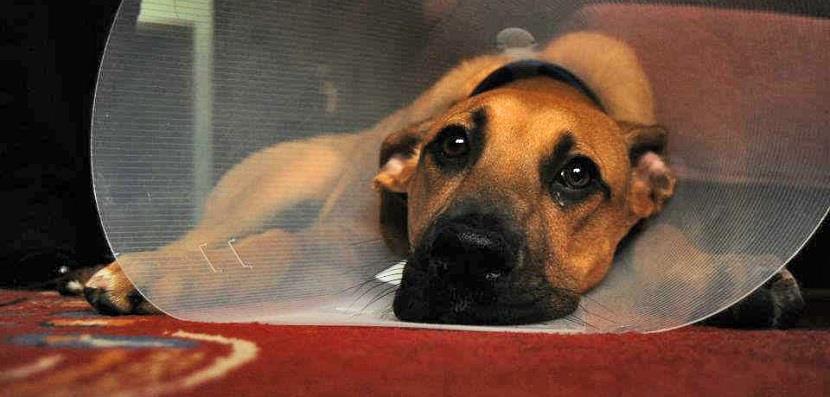
On different occasions, your dog will have to use the elizabethan necklaceIt is very common for veterinarians to recommend this after surgery or treatment that requires preventing the dog from licking or scratching, as this can cause infections or delay healing. It is an essential tool in cases such as surgeries, eye skin injuries, or even to prevent damage to wounds after an accident. We will see in detail how you can help your dog get used to this collar and how you can improve its comfort during the days it wears it.
What is the Elizabethan collar?
El elizabethan necklaceA cone of shame, also known as a “cone of shame,” is a cone-shaped device that is placed around a dog’s neck. Its design prevents dogs from accessing areas of their body with their mouths, preventing them from licking, scratching, or biting wounds, sutures, or bandages. While effective, it can also be quite uncomfortable for the animal at first. Additionally, there are various types of Elizabethan collars on the market, and some of them offer improvements in comfort and mobility for the dog.
Types of Elizabethan collars

There are several types of Elizabethan collars, designed for different levels of comfort and functionality. Below we list some of the most popular ones:
- Rigid plastic collar: This is the most common and cheapest. Made of clear or white plastic, it is easy to clean and very durable. However, it can be bulky and limit the dog’s mobility.
- Inflatable collar: less restrictive than plastic, it allows greater freedom of movement, as it is not as bulky. In addition, they are usually more comfortable for the dog, although they are not as effective on all areas of the body.
- Padded collar: Made from soft, flexible materials, these collars are an alternative that reduces stress for dogs. Being more comfortable, they allow the animal to rest better, although they may be less effective if the dog has a wound on the head or upper limbs.
When should your dog use it?
The Elizabethan collar is necessary in several situations, and in most cases it must be used for a period of time defined by the veterinarian. Some of the most common scenarios in which a dog must wear this collar are:
- postoperative:After surgery, it is crucial to prevent your dog from licking sutures or wounds, as this could lead to serious infections.
- Skin lesions: In case of skin rashes or sores, dogs tend to scratch or bite themselves, which can aggravate the injury.
- Eye treatments: When drops or ointments are applied to the eyes, the collar prevents the dog from rubbing its face, facilitating recovery.
Tips to help your dog get used to the Elizabethan collar

Although the use of an Elizabethan collar is necessary for medical reasons, it is common for dogs to feel uncomfortable with it at first. To help your dog get used to it, you can follow these tips:
- Gradual placement: If your dog has never worn an Elizabethan collar, it is recommended that you get him used to it gradually. Start by wearing it for short periods while distracting him with games or food.
- Encourage him to move: At first, your dog may feel clumsy and not want to walk. Show enthusiasm and encourage him with soft words or rewards to make him feel safe and keep moving.
- Watch your food and drink: Make sure your dog has easy access to his food and water. Place bowls away from walls so his collar doesn’t bump into obstacles.
- Reorganize your space: Remove any objects that may cause your dog to thrash or frustrate him while wearing the collar.
Alternatives to the traditional Elizabethan collar
Since the elizabethan necklace can be uncomfortable for many dogs, there are alternatives that offer more comfort without compromising effectiveness:
- Protective T-shirt: In situations where the dog needs to protect a wound on the abdomen or upper limbs, a t-shirt can effectively cover the area, preventing licking or biting.
- Socks or leg bandages: If the problem is in the paws, you can put on tight socks that prevent the dog from biting or licking its paws.
- Inflatable or padded collars: As we mentioned before, these collars are less restrictive and offer greater comfort, although they are not suitable for all injuries.
Duration of use of the Elizabethan collar

El Elizabethan collar usage time It will always depend on the veterinarian’s instructions. In some cases, doctors recommend that the collar only be used during certain hours of the day or even that it can be removed under supervision. However, in most cases, it is essential that the dog wears it as long as possible to avoid complications.
How to choose the correct size?
It is essential that the Elizabethan collar is the right size for your dog’s comfort and safety. To do this, you should measure the circumference of your pet’s neck and choose a collar whose length extends at least 5 cm beyond its snout. This will ensure that it cannot reach its wounds with its mouth. Collars come in different sizes, from smaller, tight-fitting collars for cats and small dogs, to larger collars for larger breeds.
Although the Elizabethan collar may be uncomfortable and bothersome for your dog at first, it is a crucial tool for his recovery. With patience and proper care, your pet will quickly adapt to wearing the collar, and you can ensure that his wounds or sutures heal properly. Consider more comfortable alternatives if you find the traditional collar too stressful, but always consult your veterinarian before making a decision.