

La pneumonia It’s a very serious disease that, if not treated promptly, especially in young animals, can become a real threat to your pet. Learn more what are the symptoms of pneumonia in dogs and how prevent them and act in time It is vital to help him as soon as possible and in the best way possible.
Let’s find out what characterizes it this disease and when we need to take him to the vet.
Pneumonia It can be caused by a weak immune system that does not fight viruses, bacteria, fungi or internal parasites, or because the dog itself has breathed in or ingested contaminated material which, upon entering the respiratory tract, inflames the lung. The most common is the infectious pneumonia (viral or bacterial), with relevant viruses such as distemper and canine influenza. Unvaccinated animals are at high riskThat is why it is so important to get the recommended vaccines to avoid serious infections.
What is pneumonia in dogs?
La pneumonia is defined as a inflammatory process of the lung parenchyma what does it entail fluid accumulation in the alveoli and difficulty breathing oxygen. If it first affects the bronchi, it is called bronchopneumoniaWhen a pathogen reaches the lungs via the bloodstream, it is called hematogenous pneumoniaAlthough we usually associate it with infections, It does not always have an infectious origin in its beginning, so it is important to know all its causes.

Causes of pneumonia in dogs
Among the latests Moravia’s compositions infectious causesBacteria are the most common (often as secondary infection after a viral/aspiration process). In dogs with additional compromise (previous respiratory diseases, immunosuppression, neoplasms or anatomical abnormalities) they may act primary agents , the Bordetella bronchiseptica, Mycoplasma spp., Streptococcus (e.g. S. canis, S. equi zooepidemicus) and, less frequently, other pathogens.
- Viral pneumoniasRespiratory viruses such as parainfluenza or systemic viruses such as distemper can injure the lung and open the door to bacteria.
- Fungal pneumonias: less common, because Blastomyces dermatitidis, Histoplasma capsulatum, Coccidioides immitis, Cryptococcus spp., Aspergillus spp., Pneumocystis carinii.
- Protozoal pneumonias: described by Neospora, Toxoplasm y Acanthamoeba spp.
- Parasitic pneumonias: mostly Angiostrongylus vasorum y Unforgiving heartworms.
Among the causes initially non-infectious are the suction (sedation, intubation, esophageal disease Neuromuscular paralysis, force-feeding, administration of barium/oils; higher risk in brachycephalic breeds, cocker spaniels, and golden retrievers) and the inhalation of irritants such as smoke or chemical gases.
What are the symptoms of pneumonia in dogs?
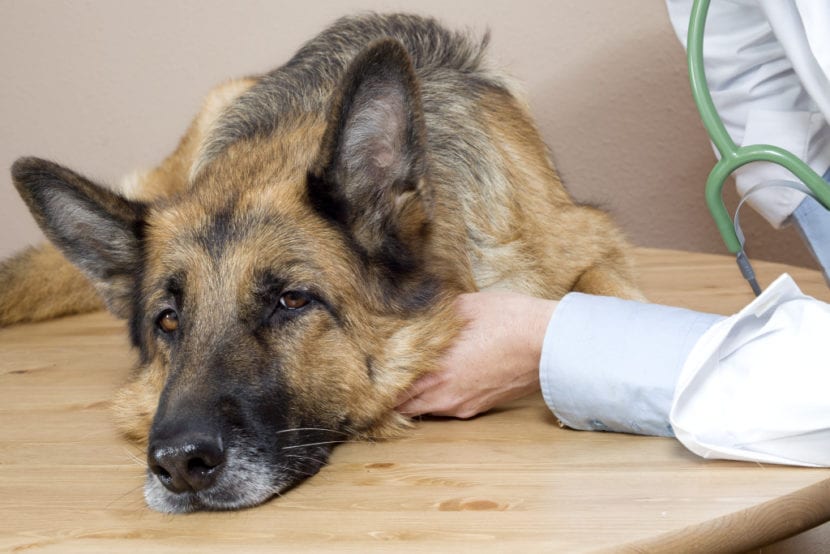
Sometimes it’s not easy, as some animals don’t show signs at first, but there are several that are very common: cough with phlegmsneezing, feverloss of appetite and respiratory distressThey may also appear forced or rapid breathing, Fatigue, decreased activitynasal discharge, exercise intolerance and bluish gums due to low oxygen levels. If it’s severe, you’ll see that He sits with his elbows forward and extended head to expand the chest and breathe a little better.
Diagnosis
The veterinarian will perform a thorough clinical examination and will supplement with tests. In the blood count Neutrophilia (with or without left shift), lymphopenia, and sometimes anemia are common; biochemistry may reveal sepsis or underlying disease.
- Chest X-raysKey to confirming pneumonia. Typical signs include: ventral alveolar pattern’s most emblematic landmarks, the silhouette sign y air bronchogramsAn interstitial or mixed pattern may also be seen. In aspiration, it often affects the right middle and cranial lobes and the caudal portion of the left cranial lobe.
- Cytology and culture: through transtracheal lavage or, preferably, bronchoalveolar lavage (with/without bronchoscopy) to identify pathogens and guide antibiotic use.
- Suspected of parasites, it can be indicated Baermann test or dirofilariasis serology.
Treatment of pneumonia in dogs
Antibiotics
Most pneumonias require antibiotic therapy (primary bacterial or secondary). Ideally, Choose according to culture and antibiogramEmpirically, mild cases suspected of Mycoplasma o Bordetella They can start with doxycycline. In suction are options ampicillin, Amoxicillin clavulanic o cefazolinIf the condition is severe, combine with a fluoroquinoloneThe duration has evolved: beyond 4-6 week schemes, today 2 weeks They may be sufficient in uncomplicated cases, except in cases of immunosuppression or unusual pathogens.
How to complement the treatment
- in dogs hypoxemic, oxygen therapy y fluid therapy to promote mucociliary clearance.
- Nebulizations 2-4 times a day and blend posterior to mobilize secretions.
- En suction, consider antiemetics; avoid cough suppressants y furosemide because they hinder the elimination of mucus.
- If there is no response, consider bacterial resistance and perform lower airway culture.
El prognosis depends depending on the severity and cause: with proper management, among 7 out of 10 and 9 out of 10 dogs Patients with bacterial pneumonia survive and are discharged. Resting TimeGood nutrition and follow-up reduce relapses.
Pneumonia prevention in dogs
The best prevention is Keep vaccinations up to date against respiratory pathogens (such as distemper and infectious complexes), control pre-existing conditions and reduce risks of suction in procedures or in dogs with esophageal problems. Try well-ventilated, smoke-free environments and proper hygiene to reduce exposure to agents.
Symptoms and History of Pneumonia in Dogs: When Cough Becomes a Danger Sign
Etna She is a 10-year-old greyhound who experienced an acute episode of nocturnal coughNight after night, the cough intensified, followed by apathy and feverThis case illustrates the importance of a second opinion and starting treatment quickly.
Examination and Diagnosis: Fighting Pneumonia in Dogs
Upon her arrival she was bedridden, with 39,4 ° CDuring the auscultation, the following stood out: crackles and a grade III/VI murmur; the productive cough suggested pulmonary involvement. radiographs They showed increased radiodensity in the right hemithorax and loss of definition; the ultrasound It showed consolidated lung with pleural effusion and retained gas. This was confirmed by analysis, X-rays, and CT scans. aspiration pneumonia.
Treatment and Evolution: The Road to Recovery
She was hospitalized and received antibioticsantipyretics and anti-inflammatories; then he switched to oral medication at home. radiographic controls They showed favorable progression: from consolidation to more aerated fields. After a month, Etna recovered its quality of life and resumed her routine.
How to help at home and when it’s an emergency
In addition to the treatment, it creates a calm and temperate environmentwith clean water and palatable food. Avoid strenuous activity, control the breathing and follow medical advice. In elderly or frail individuals, seek emergency care if there is bluish gums, open-mouth breathing, collapse, or persistent high fever.
If you suspect your friend is unwell, Take him to the vet as soon as possible so that he can be diagnosed and treated. Acting promptly, administering the appropriate tests, and following targeted therapy makes the difference between a rapid recovery and life-threatening complications.
[related url=”https://www.mundoperros.es/el-perro-tunico-y-su-nebulizador-la-emotiva-historia-viral-que-sensibiliza-sobre-la-salud-respiratoria-canina/”]
Índice
- 1 What is pneumonia in dogs?
- 2 Causes of pneumonia in dogs
- 3 What are the symptoms of pneumonia in dogs?
- 4 Diagnosis
- 5 Treatment of pneumonia in dogs
- 6 Pneumonia prevention in dogs
- 7 Symptoms and History of Pneumonia in Dogs: When Cough Becomes a Danger Sign
- 8 Examination and Diagnosis: Fighting Pneumonia in Dogs
- 9 Treatment and Evolution: The Road to Recovery
- 10 How to help at home and when it’s an emergency