
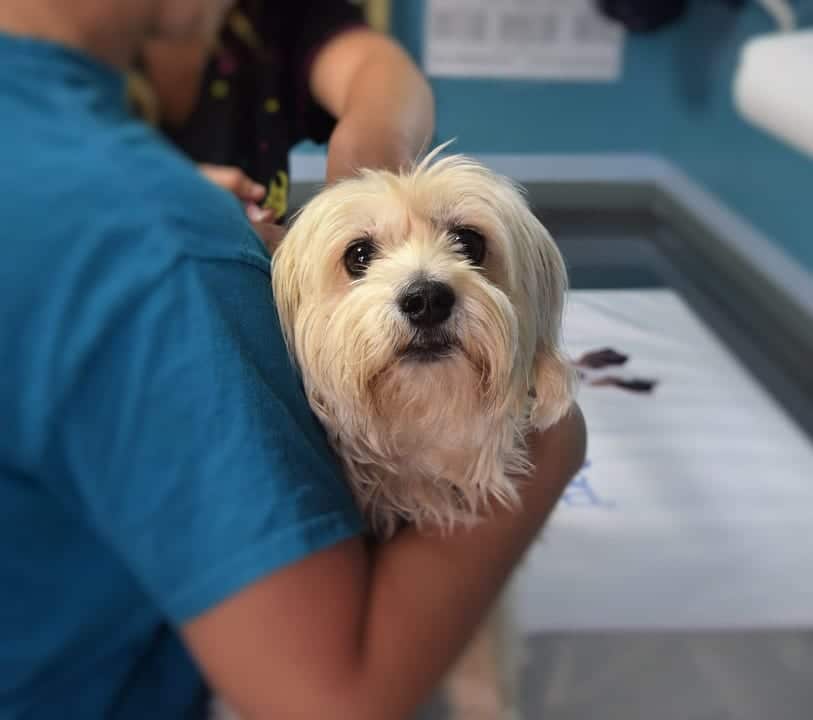
Los perros nos dan mucho cariño y compañía a cambio de un hogar seguro donde puedan estar y ser atendido como se merecen. Como sus cuidadores, tenemos que proporcionarles lo mejor para que lleven una vida digna y feliz.
Una de las cosas que tenemos que hacer es llevarlos al veterinario para vacunarlos, evitando así que contraigan alguna enfermedad grave. Por eso, te vamos a explicar when should i vaccinate my dog.
Puppies when they are born and until they are about six weeks old are protected thanks to colostrum, which is the first milk they will drink. This natural food contains antibodies that, once they enter the organism of the little ones, keep them safe. However, After those weeks they run out of this immunity, and that’s when we have to take them to the vet.
Once there they will give them an antiparasitic, usually in pill form, which will eliminate any internal parasites that they may have. It is very important that they take the medicine between ten and fifteen days before the first vaccination, since otherwise side effects could appear, such as vomiting or diarrhea.
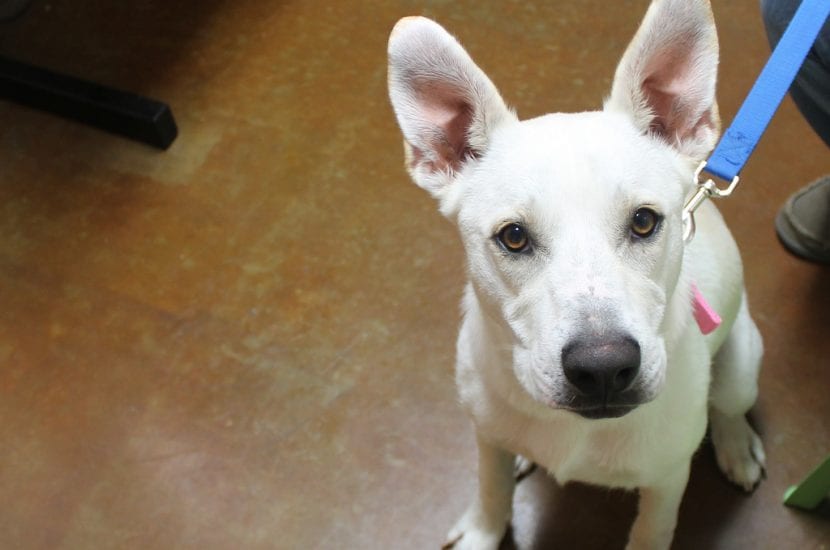
Thus, puppies should receive their first vaccination around six weeks. Así, estarán protegidos contra el moquillo y la parvovirosis, dos de las enfermedades más peligrosas en los perros jóvenes. Pero para que puedan estar más protegidos, necesitarán recibir también los refuerzos, entre 2 y 4 semanas después de la primera vacuna y de nuevo al cabo de 1 mes.
Un calendario de vacunación podría ser este:
- 6 to 8 weeks: parvovirus and distemper.
- 8 to 10 weeks: polyvalent (parvovirus, distemper, hepatitis, parainfluenza and leptospirosis).
- 12 to 14 weeks: reinforcement of the multipurpose.
- 16 to 18 weeks: tracheobronchitis.
- 20 to 24 weeks: rabies.
- Annual: rabies, polyvalent, tracheobronchitis.
Aún así, será el propio veterinario que establecerá el que crea más conveniente.
Las vacunas ayudarán a los perros a estar más sanos. Es importante que los protejamos.